10 REASONS TO GO BIRDING IN COLOMBIA
AND SAVE THE PLANET
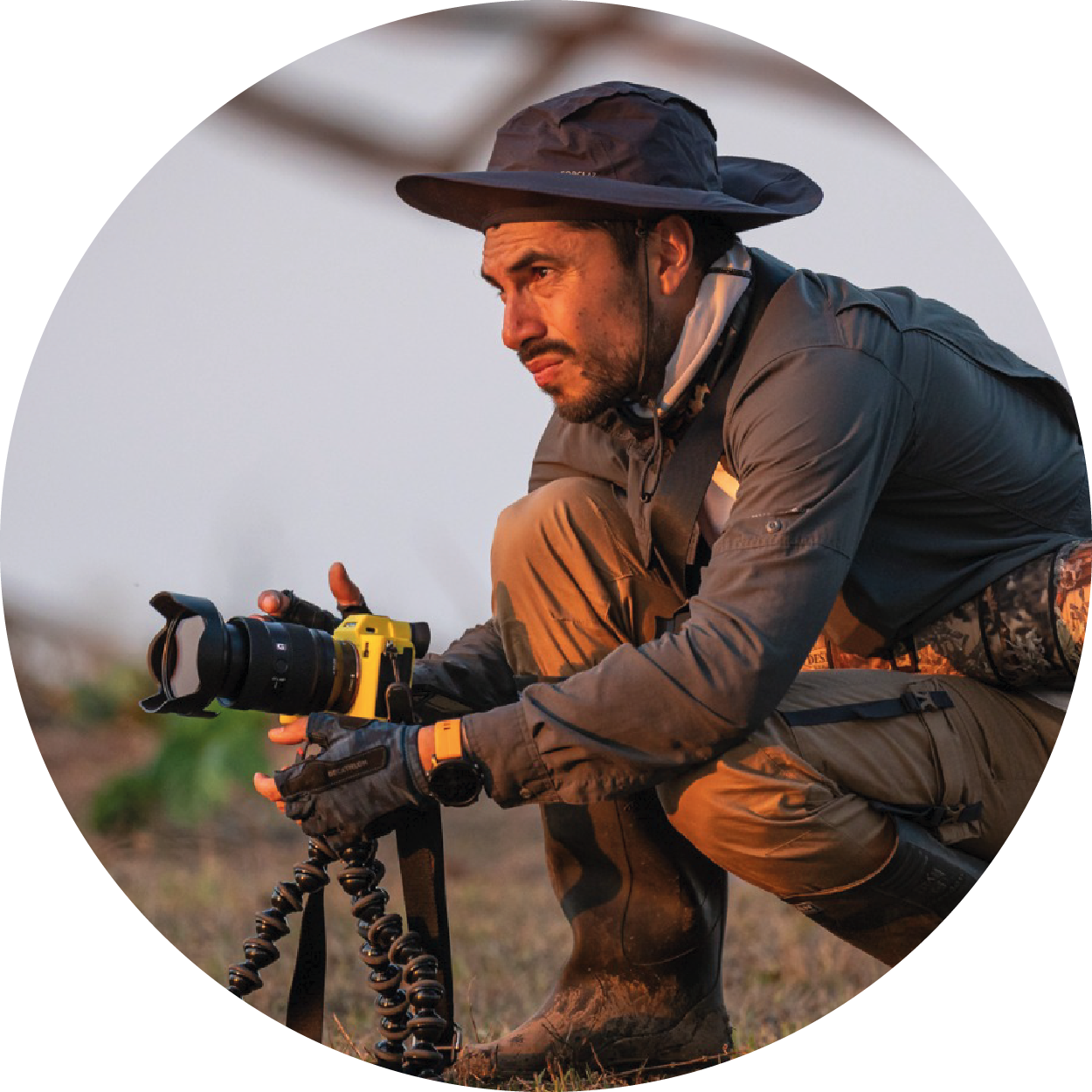
Have you ever seen someone looking up at the sky and felt an irresistible urge to raise your own gaze just to find out what they are watching? It has happened to me many times, but for almost six years now, I am the one looking up and sparking curiosity in others. An amateur photographer with no shortage of work, financial, and family problems, someone who, due to stress, was on the verge of breaking down and who took a long time to understand that being alone with himself was his greatest fear. Being alone with oneself can be truly terrifying for many people. Yet everything has many ways of teaching us how to improve, and that is where birding appears, an activity that, in my opinion, can save the planet. And when I tell you that birding can save the world, I am not exaggerating.
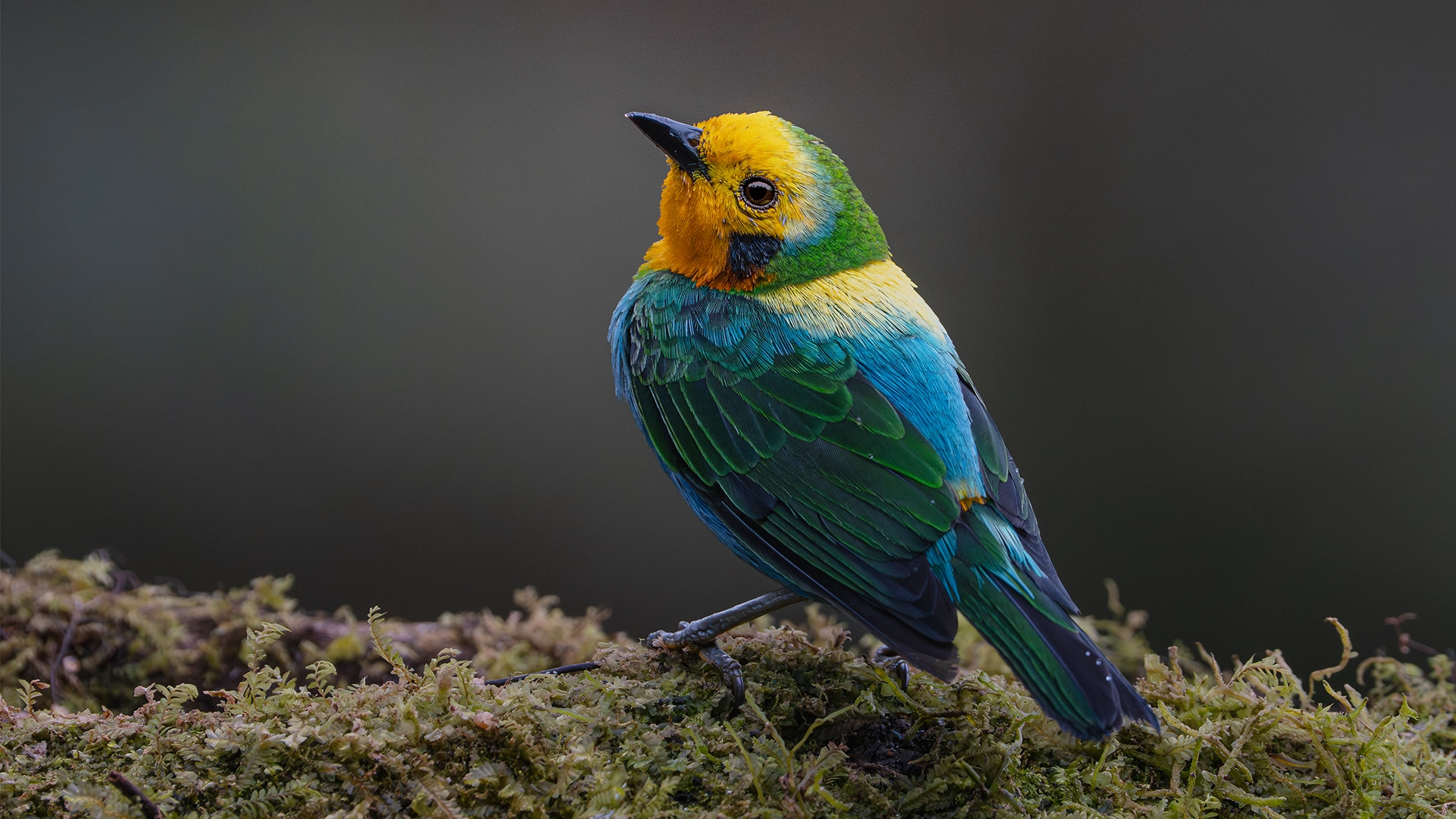
Multicolored Tanager (Chlorochrysa nitidissima). A living jewel found only in Colombia’s cloud forests. Every encounter with this endemic species is a reminder of just how extraordinary the natural world can be. Photos: Federico Espinosa.
For me, going out birding was a turning point that opened my eyes in 2020. During the pandemic, we were forced to stay indoors and slow down in an unstoppable world. Walking the dogs without the noise of vehicles and without the stressful thoughts of everyday life made me pay attention to the feathered inhabitants of the trees. When it comes to birds and birding, I have the pleasure of living in a city where, just by looking out the window, you can identify, learn about, and discover hundreds of bird species. Birding requires nothing more than willingness. If you want to go further, you can use binoculars or get into bird photography, as I did. But even if all you have is your own pair of eyes, I do not know of any activity that can amaze so many people and generate so many positive shared emotions simply by walking a few steps from your front door.
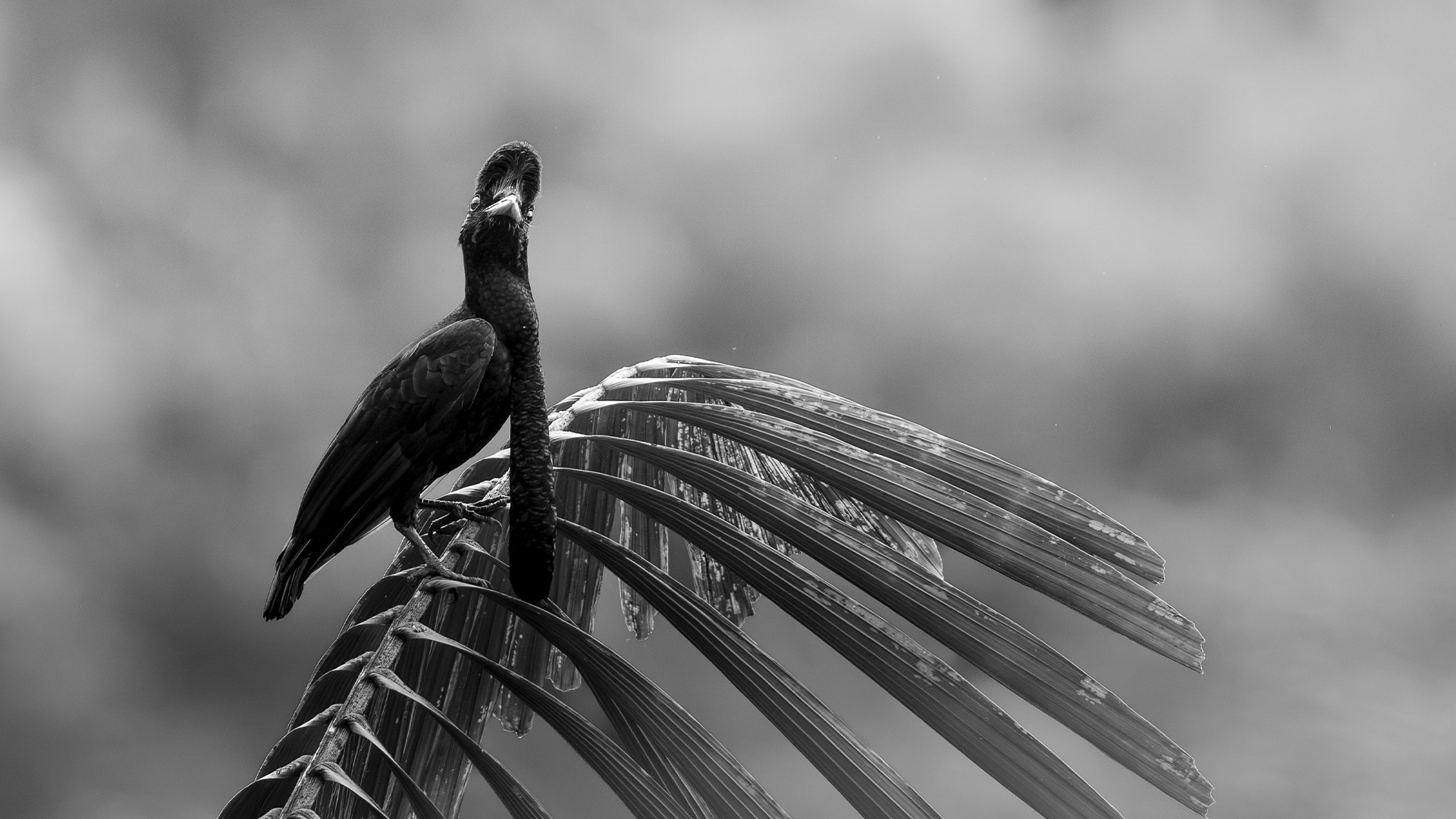
Long-wattled Umbrellabird (Cephalopterus penduliger). Curious, unhurried, and utterly unlike anything else in the forest. This remarkable bird exists in only a small pocket of Colombia’s Pacific rainforest, where local communities have dedicated themselves to protecting it. Here, patience is always rewarded. Photos: Federico Espinosa.
If you do not believe me, just try it. Stand and watch a tree in the middle of the city. Identify a bird (it does not matter if it is a very common one or if you do not even know its name). Wait a moment, someone will ask what you are looking at. Just answer, “A bird”, and a new world will open up for both you and the curious person who asked. The response will likely come with an anecdote or a family memory about someone passionate about nature, someone just like you.
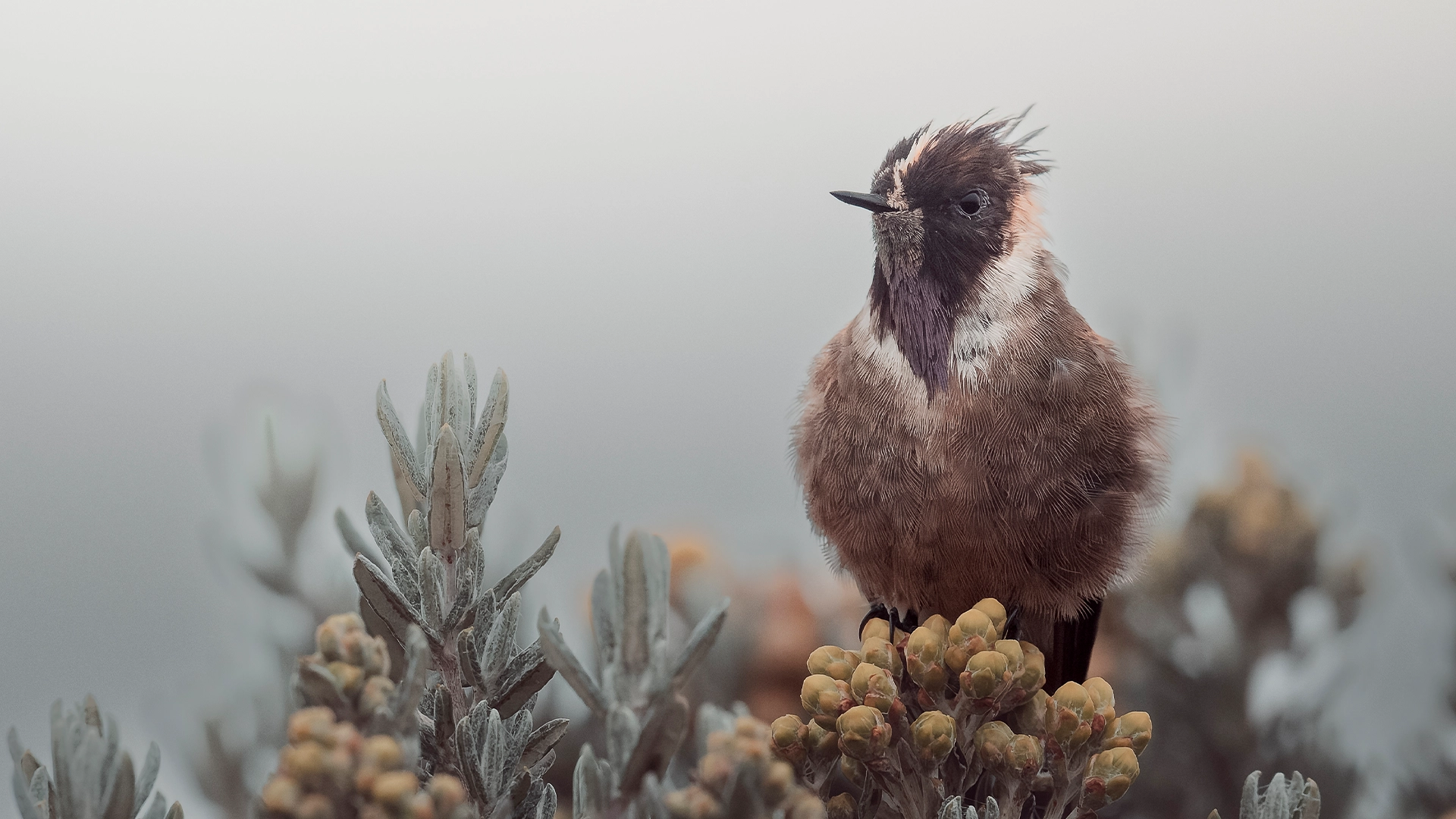
Buffy Helmetcrest (Oxypogon stuebelii). Hidden in the high-altitude páramos of the Colombian Andes, the Buffy Helmetcrest is as elusive as it is breathtaking. A small bird that carries the weight of an entire fragile ecosystem on its wings. Photos: Federico Espinosa.
After several years of going birding frequently, I have realized that it is not just a hobby, a passion, or an escape. It is much more than that. Birding is a reunion with yourself as you reconnect with nature and with your own nature. When birding, the need to escape disappears. Now what you want is to be present and share with those birds that observe you with curiosity. If someone asked me what our society is missing, my answer would be: the ability to feel. And feeling is achieved through reconnection. I do not know of a more powerful therapy than going out to observe wildlife, especially birds. Birding is an instant reconnection. You only need a few minutes to start feeling different and to leave behind that sensation of being trapped in a concrete jungle, moving from one compartment to another while walking with your eyes on the ground, trying to escape. Looking up at the sky frees you. It connects you with yourself and with others.
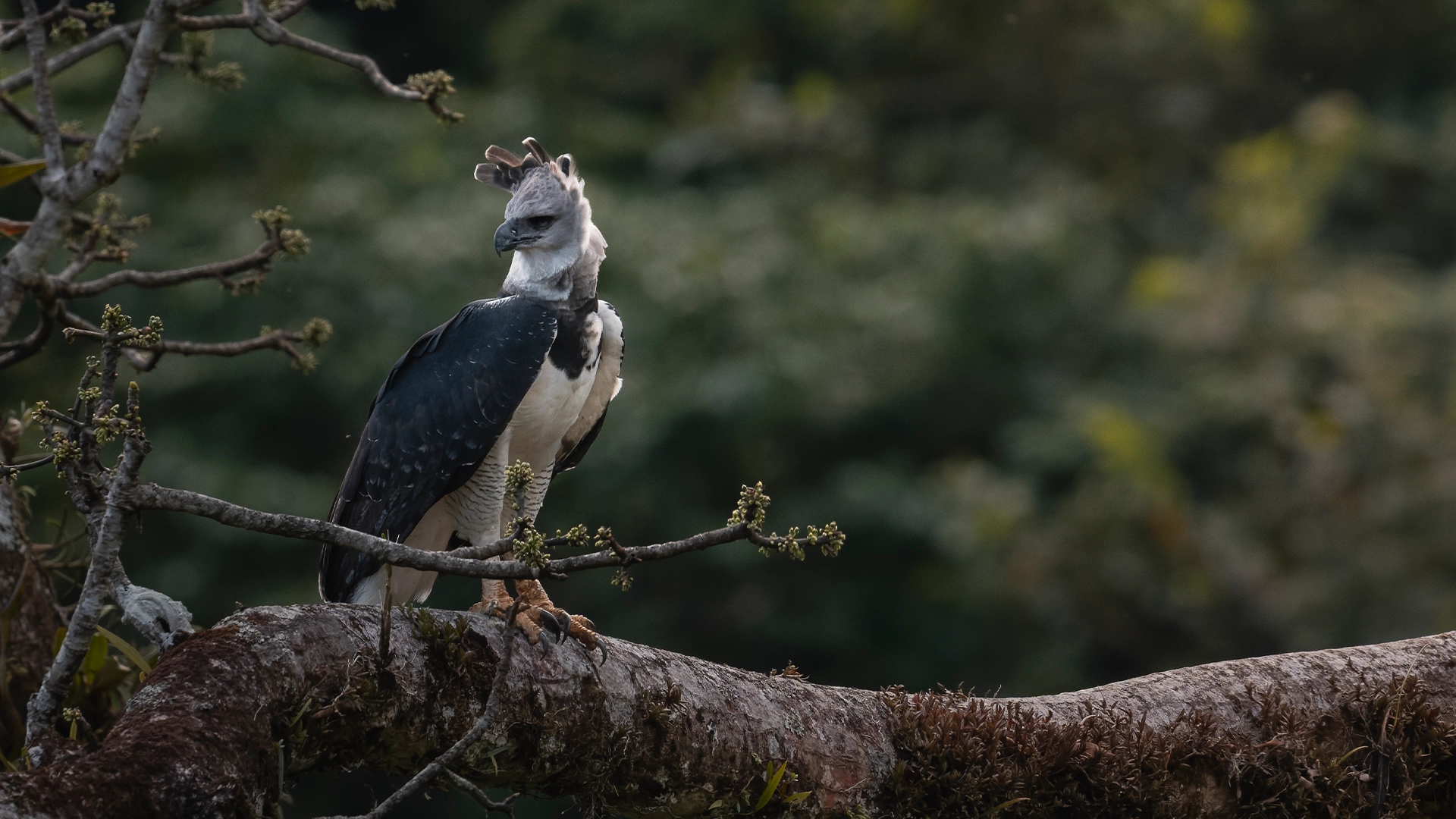
Harpy Eagle (Harpia harpyja). An apex predator. A symbol of power. A guardian of Colombia’s Pacific rainforest. To witness a Harpy Eagle in the wild is to understand, without words, why these forests must be protected. Photos: Federico Espinosa.
And if I have still not convinced you, here are 10 reasons why you should not hesitate to come to Colombia for birding:
Because it is one of the countries with the most bird species.
Yes, we have already lost count of how many consecutive times Colombia has become the global leader in birding due to its incredible number of species. With around 2,000 species, every corner of Colombia offers astonishing birds.
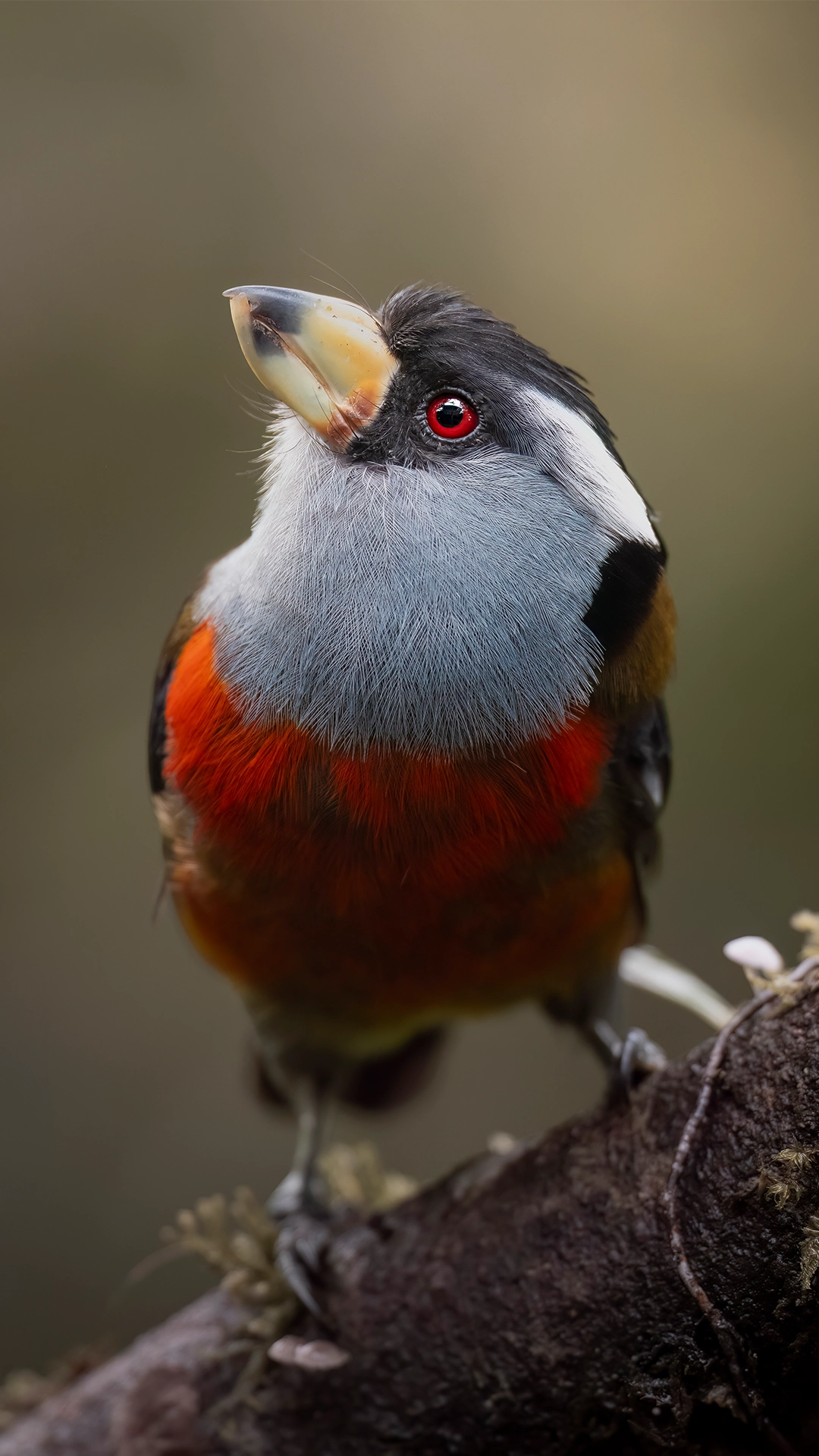
Toucan Barbet (Semnornis ramphastinus). More than a beautiful bird, the Toucan Barbet is a conservation success story made possible through the partnership of local communities and nature tourism. To photograph it is to honor everyone who fought for its survival. Photos: Federico Espinosa.
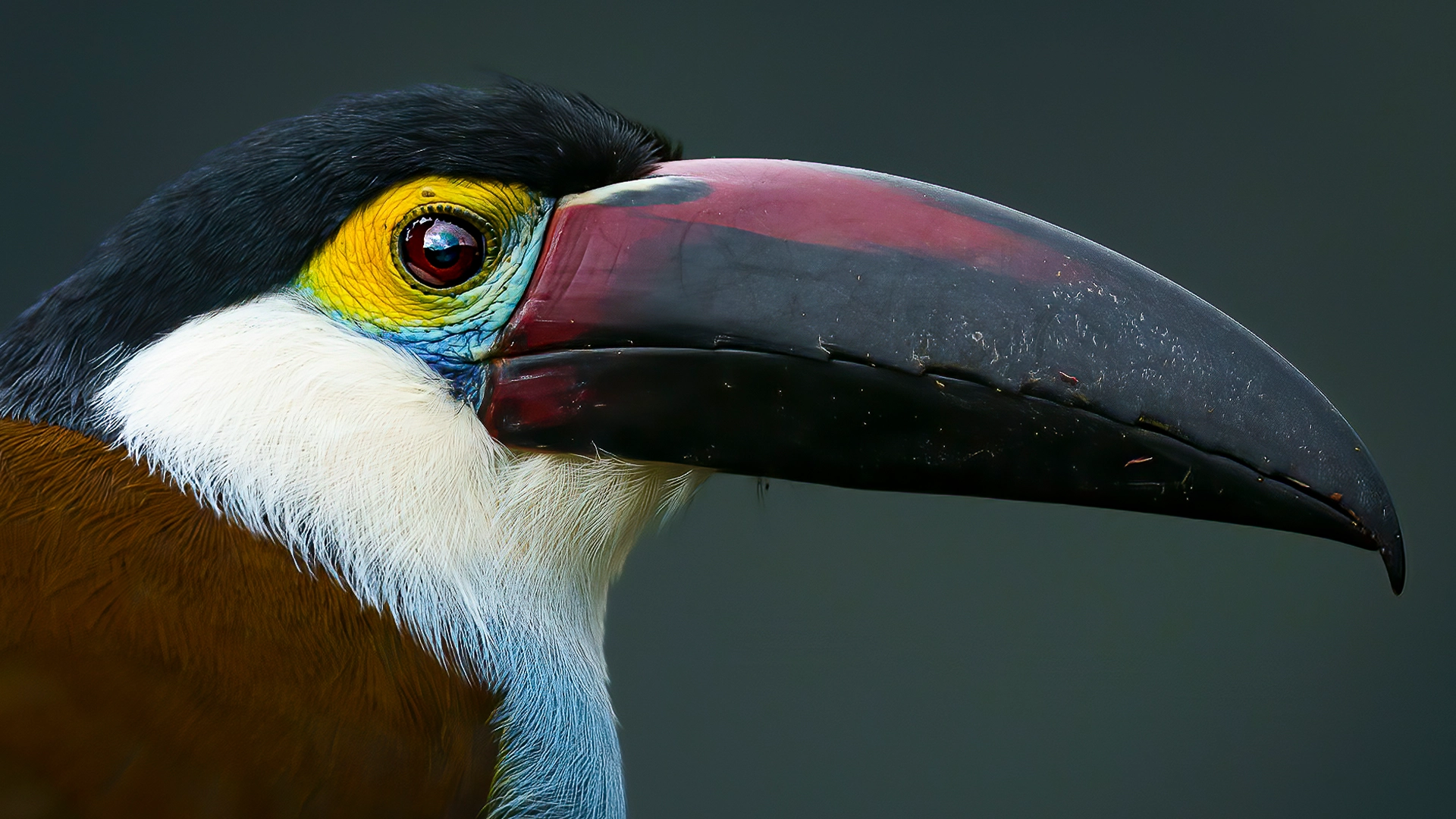
Black-billed Mountain-Toucan (Andigena nigrirostris). Bold, perfectly adapted, and endlessly magnificent. Watching a toucan move freely through its habitat is a privilege no photograph can fully capture. But we try anyway. Photos: Federico Espinosa.
Because there is a vast diversity of ecosystems for all types of birds. Colombia has a privileged geography.
Crossed by three mountain ranges and bordered by two oceans, its wide range of climatic zones is a paradise for birding. From mountain tanagers to pelagic birds, in Colombia you can find almost any type of bird. Remember that there is so much to see that you will need guidance and support to avoid missing your target species.
Because we have around 80 endemic bird species.
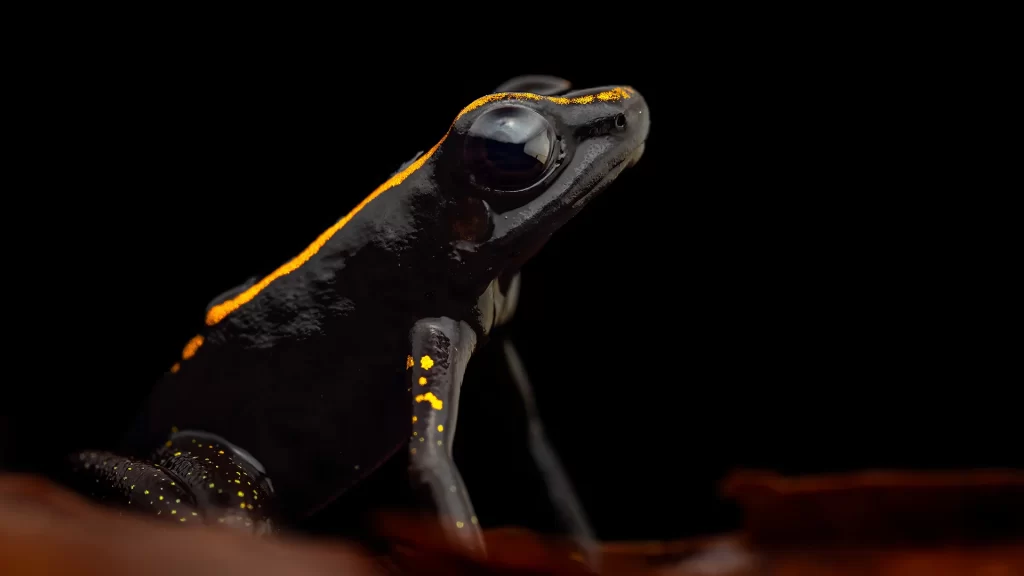
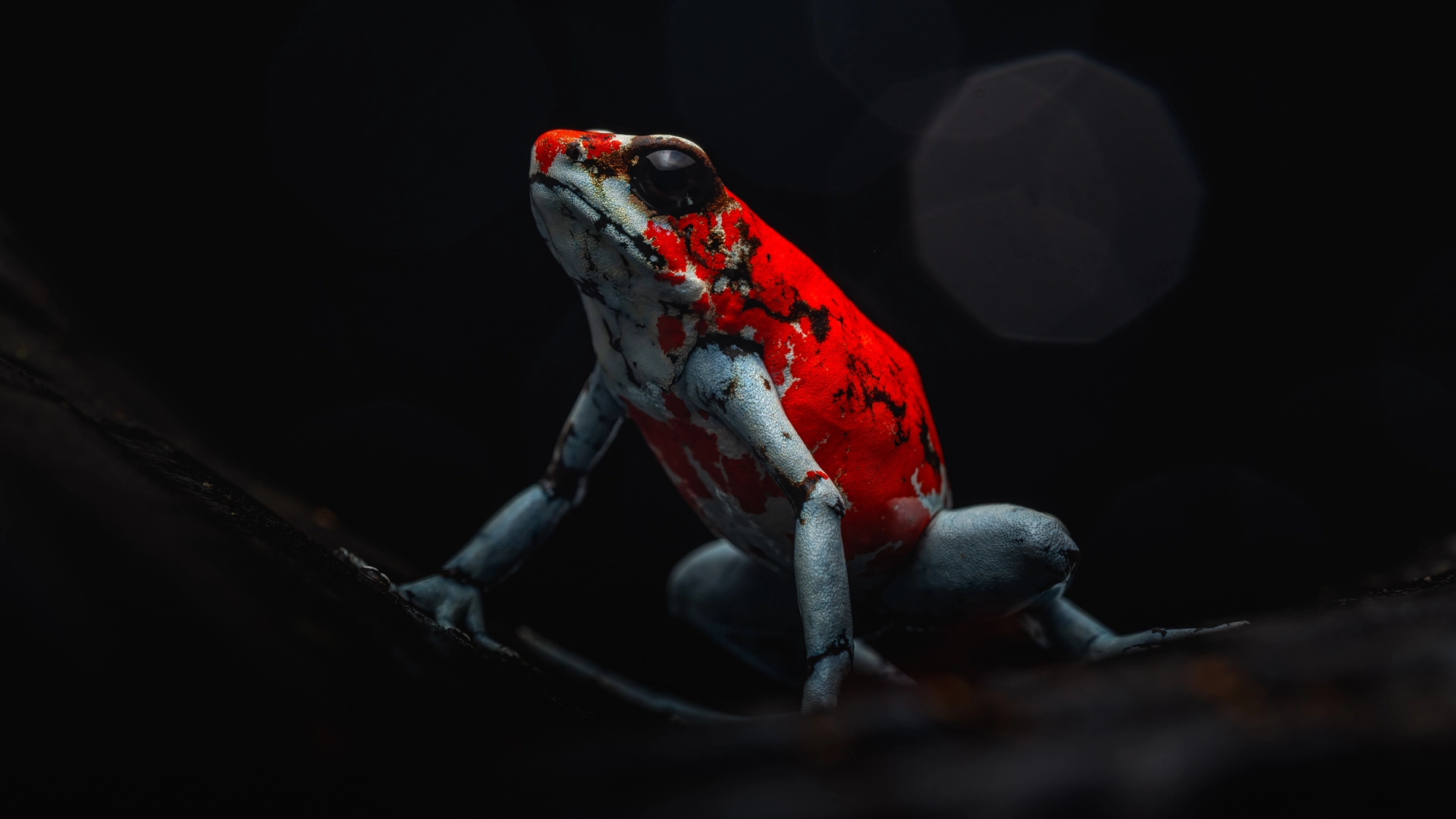
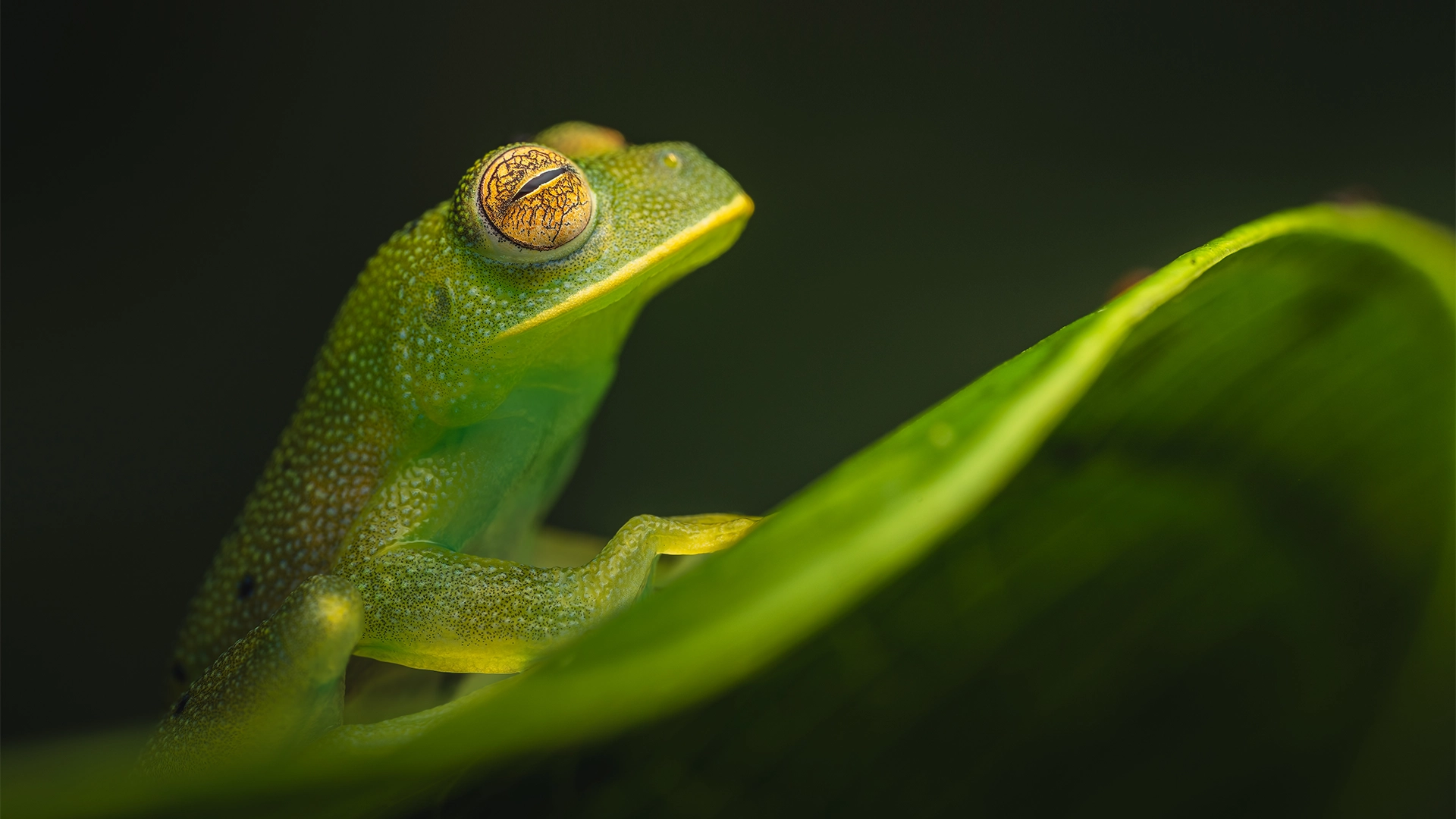
Colombia’s geography creates regions where species movement is limited. But limited does not mean negative—it means that a significant number of species, not only birds but also amphibians, reptiles, and mammals, exist only in small areas of our country. If you love birding, in Colombia you can combine it with herping and take advantage of all these endemic species.
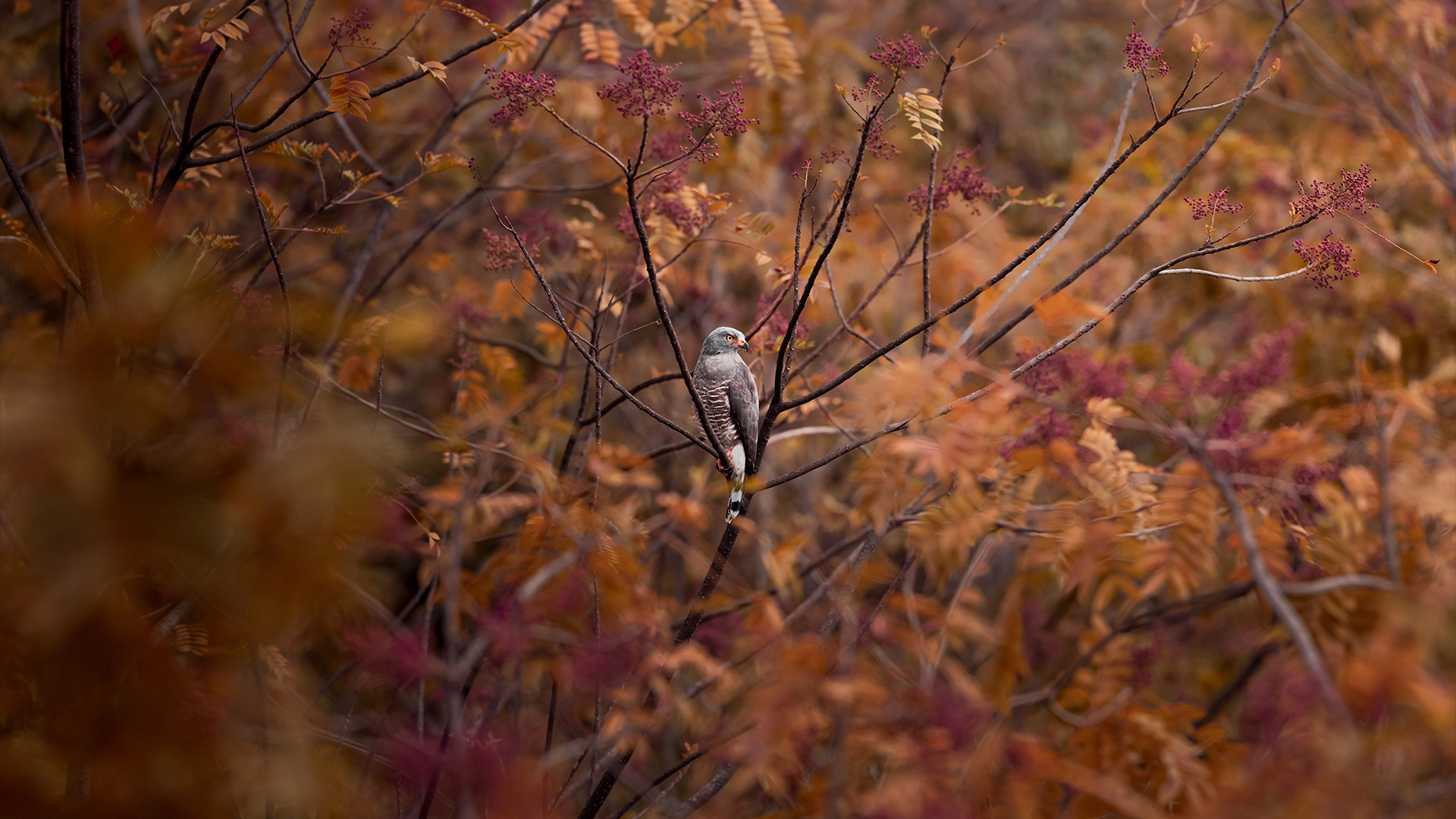
Roadside Hawk (Rupornis magnirostris).
Great birding does not always require a remote destination. A walk through the city, eyes open and mind quiet, can reveal unexpected beauty. This Roadside Hawk was found resting in a patch of forest within one of Colombia’s major cities. Photos: Federico Espinosa.
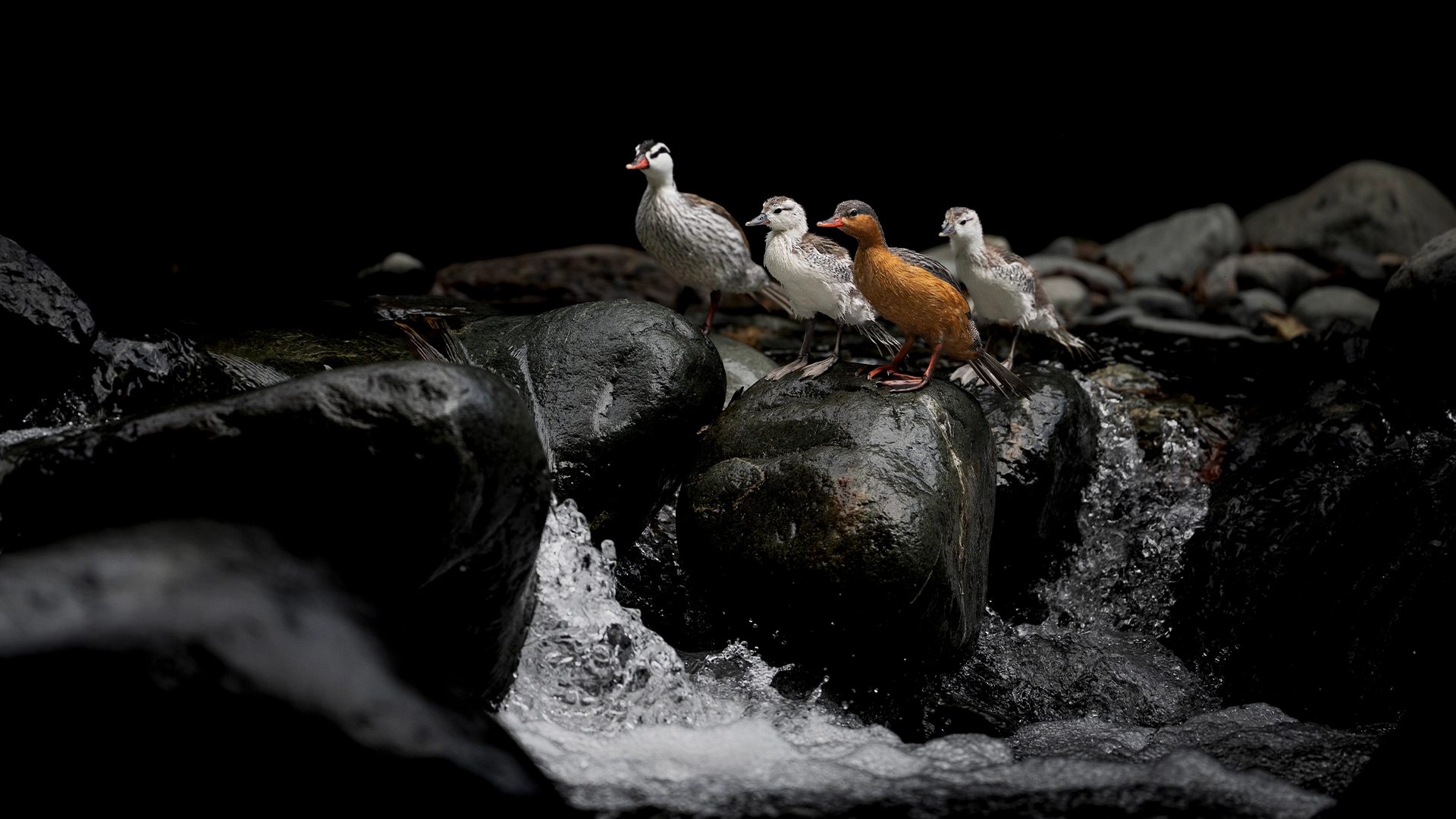
Torrent Duck (Merganetta armata). Few sights match the raw energy of a Torrent Duck family navigating impossible currents, teaching their young to swim against the river’s full force. Some moments simply cannot be put into words. Photos: Federico Espinosa.
Because any season is a good season.
The geographic isolation of the Sierra Nevada de Santa Marta has given rise to unique herpetofauna like Atractus sanctaemartae, a little-known terrestrial snake, and the colorful Pristimantis carmelitae, endemic to high-elevation cloud forests. This mountain massif is a hotspot of endemism and ideal for discovering exclusive highland species.
Because you will enjoy the majesty of forests, mountains, rivers, beaches, deserts, and jungles all in one place.
We know birding is what attracts you, but it does not come alone. To see those extraordinary birds, you will travel through breathtaking landscapes. Enjoy them and complement your photography.
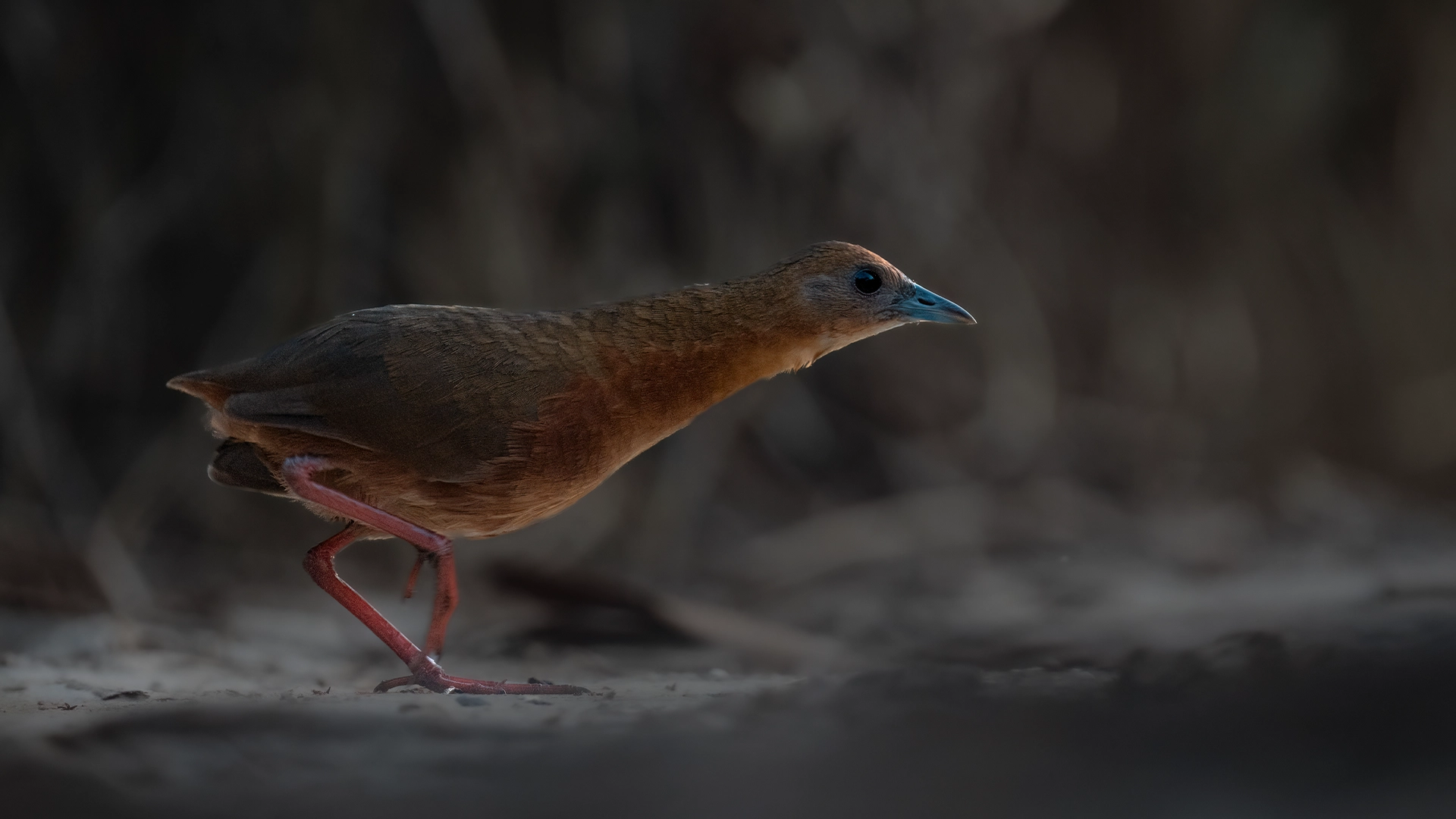
Russet-crowned Crake (Rufirallus viridis). Patience is not just a virtue here. It is the only strategy. The Russet-crowned Crake steps briefly into the open, holds the moment, and disappears. A few seconds. That is all you get. Photos: Federico Espinosa.
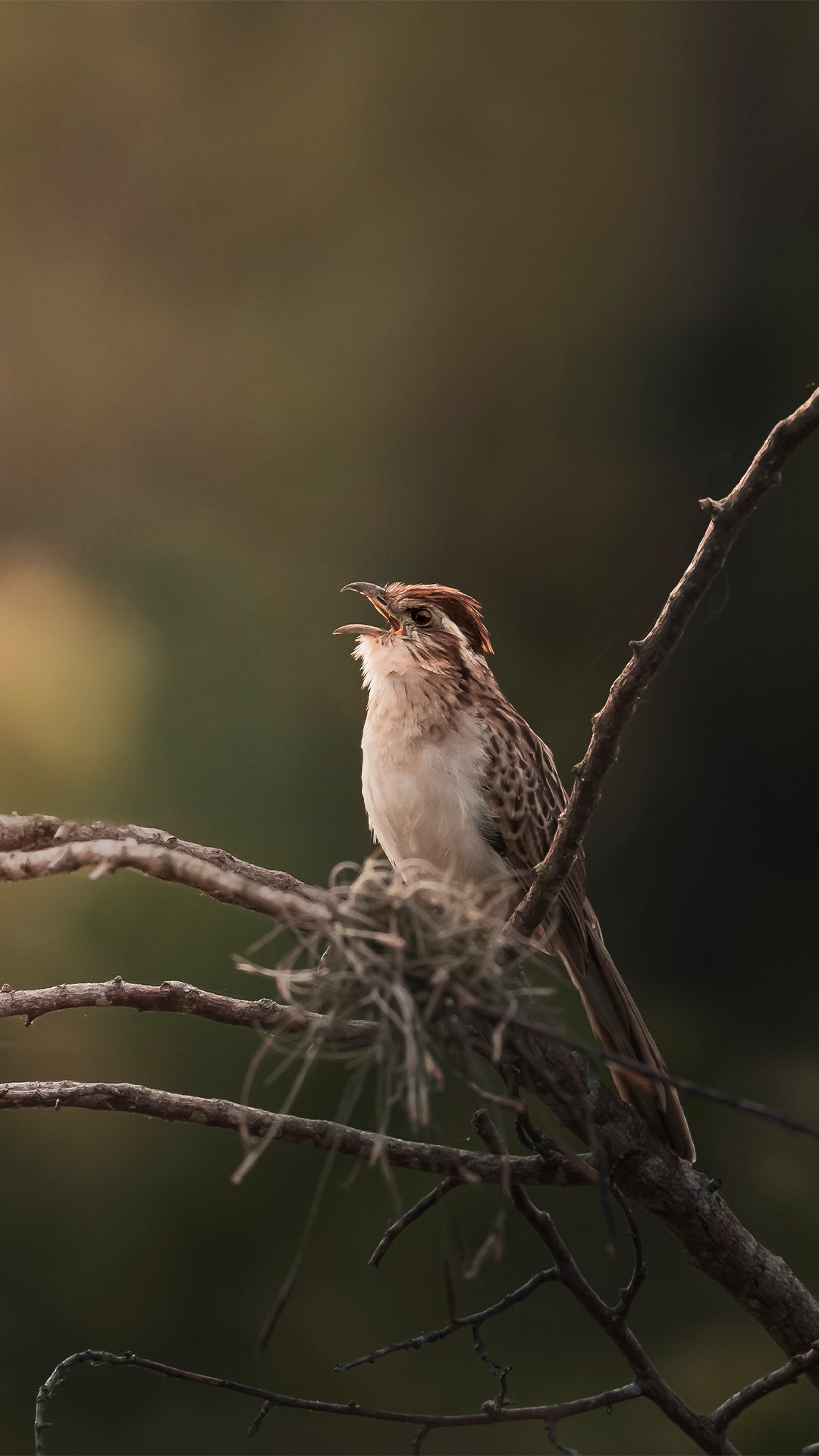
Stripe Cuckoo (Tapera naevia). The unmistakable call of the Stripe Cuckoo drifts through Colombia’s tropical dry forests like an open invitation. Follow it, and the forest begins to reveal itself. Photos: Federico Espinosa.
Because you contribute not only to conservation but also to peacebuilding in a country that has suffered for decades.
It is no secret that Colombia has faced social challenges for a long time, but this has been changing and we are on the right path. More areas are being declared natural treasures with protection from exploitation, and awareness about the importance of caring for Colombia’s natural jewel continues to grow. More tour operators, stronger community engagement, and less violence have allowed millions of travelers to enjoy nature tourism each year. Birding will not only save your life and life on the planet—it will also change how communities perceive nature as an invaluable resource.
Because the richness of culture and gastronomy will amaze you.
Every break and meal stop will transport you to a new world of flavors, textures, and colors. Colombia’s biodiversity is not limited to birds and wildlife. Its flora allows the local cultivation of hundreds of plant species that produce all kinds of fruits, which are an essential part of our cuisine. Be prepared—each region offers gastronomic wonders you will not find anywhere else on the planet.
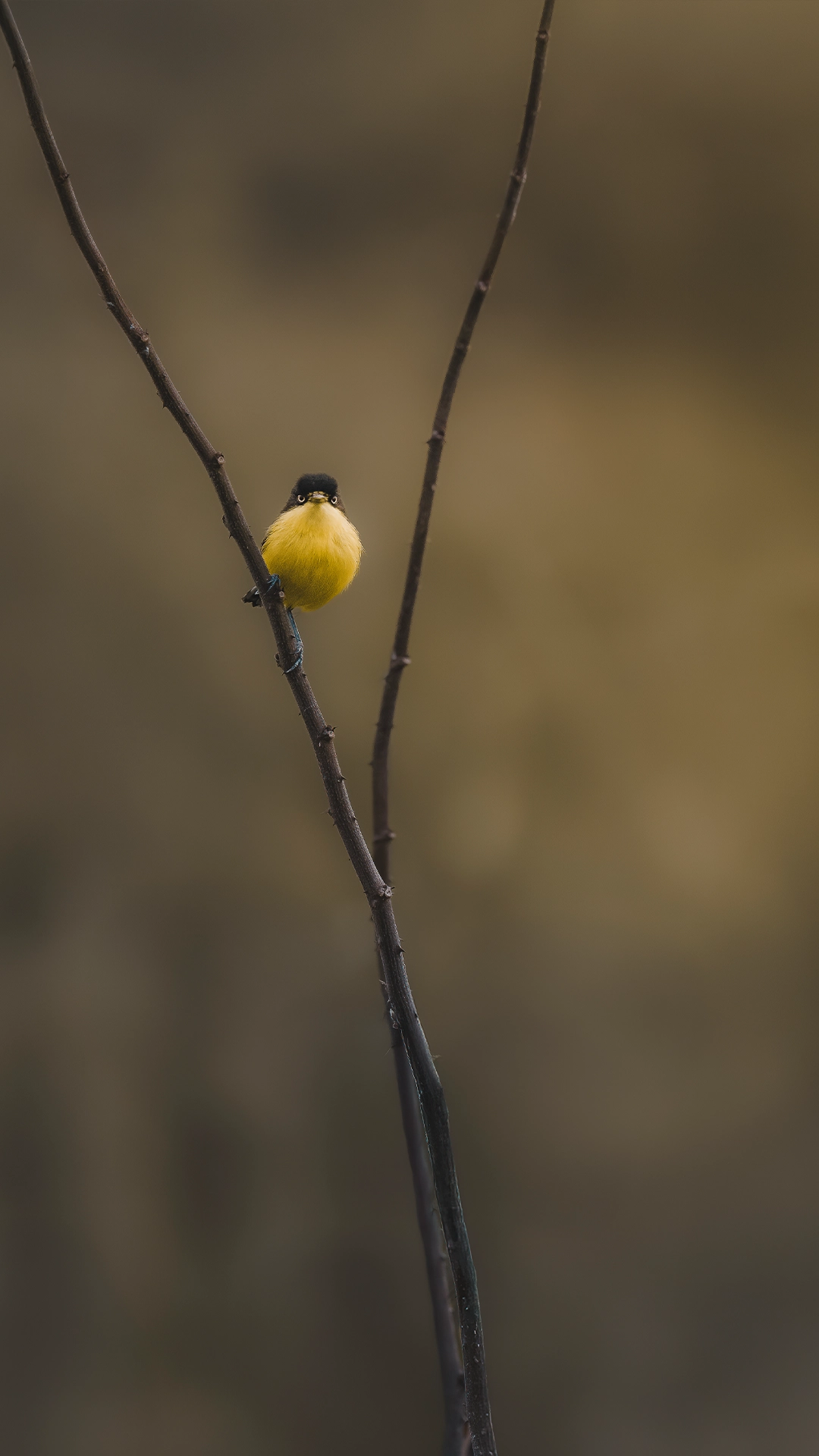
Common Tody-Flycatcher. Always elegant, always curious. The Common Tody-Flycatcher holds your gaze a moment longer than expected. Sometimes I wonder who is really doing the watching. Photos: Federico Espinosa.
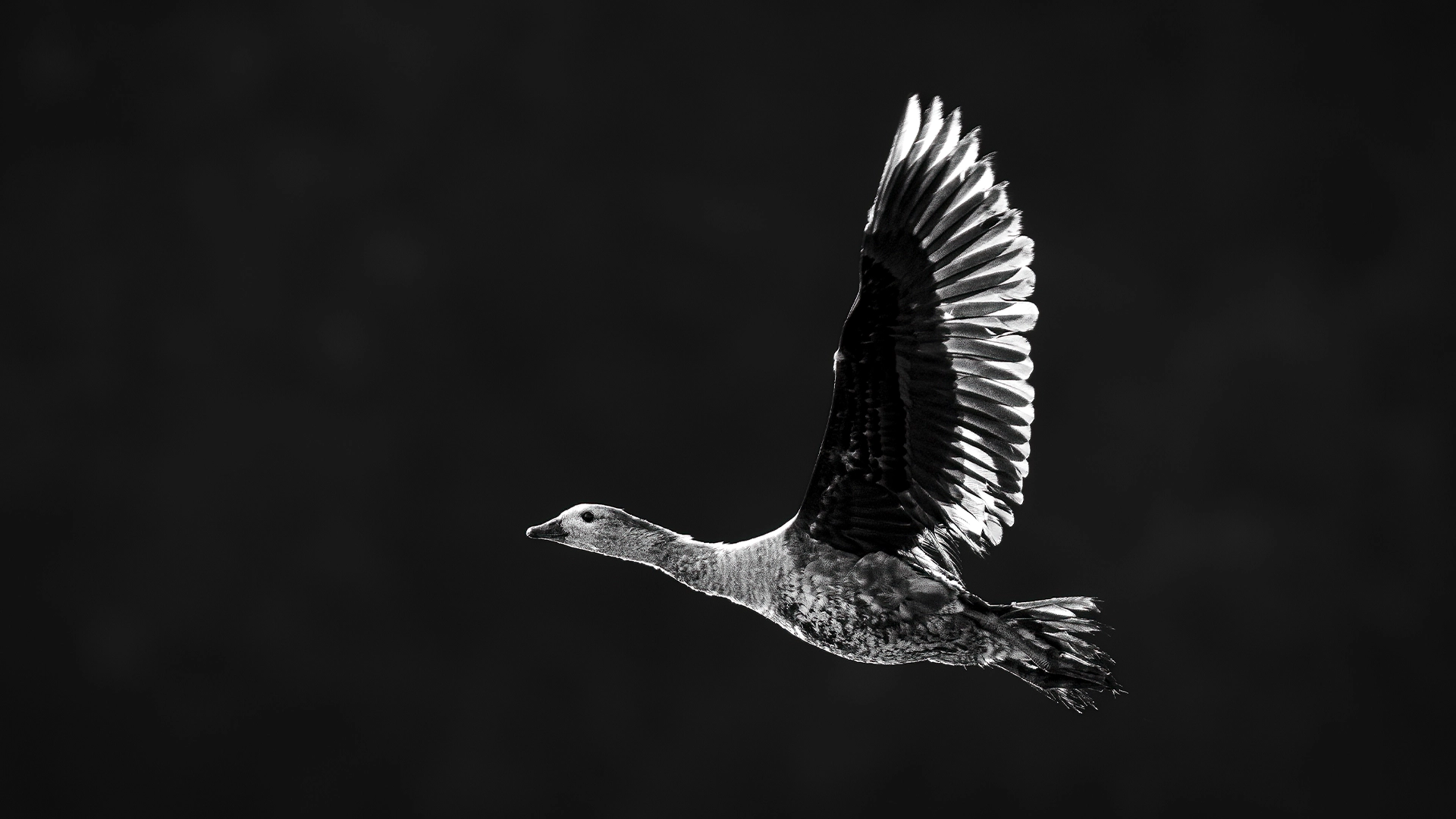
Orinoco Goose (Oressochen jubatus). Not every great moment is about the bird itself. Sometimes it is the light, the silence, and the graceful arc of a wing against the morning sky. The Orinoco Goose in flight, at golden hour. Photos: Federico Espinosa.
Because there are luxury accommodations and plans at very affordable prices.
Colombia is a developing country with emerging economies. Although the cost of living and tourism has been changing, prices still remain very attractive compared to other regions specialized in nature tourism worldwide.
Because people overflow with joy and kindness.
In Colombia, we do not hold back smiles or warmth. During your birding experience, you will build friendships you will never forget.
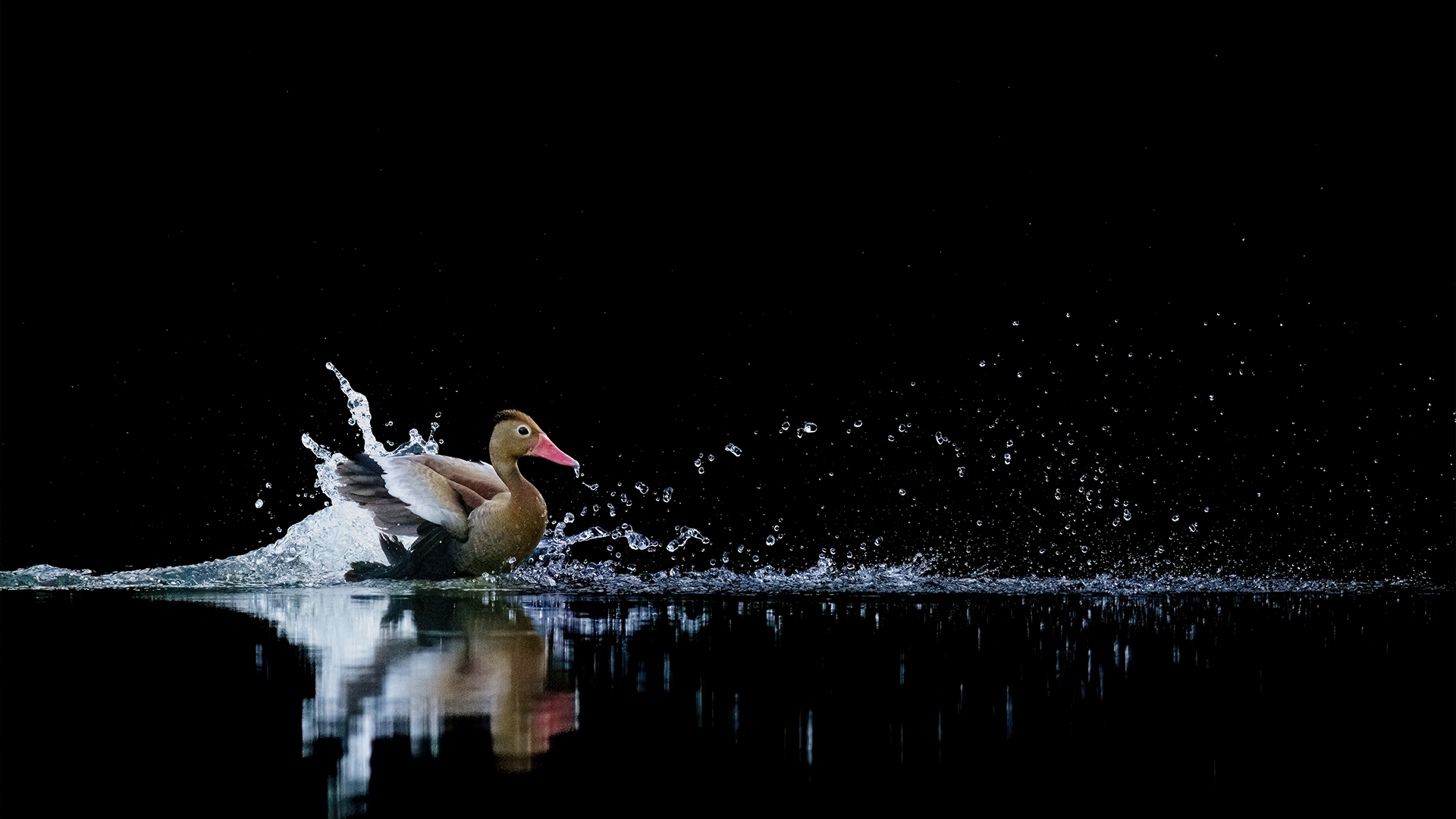
Black-bellied Whistling Duck (Dendrocygna autumnalis). Birding is also about presence. When we move slowly and stay calm, wildlife forgets we are there, and rewards us with its most natural, unguarded moments. A Black-bellied Whistling Duck coming in for a landing. Photos: Federico Espinosa.
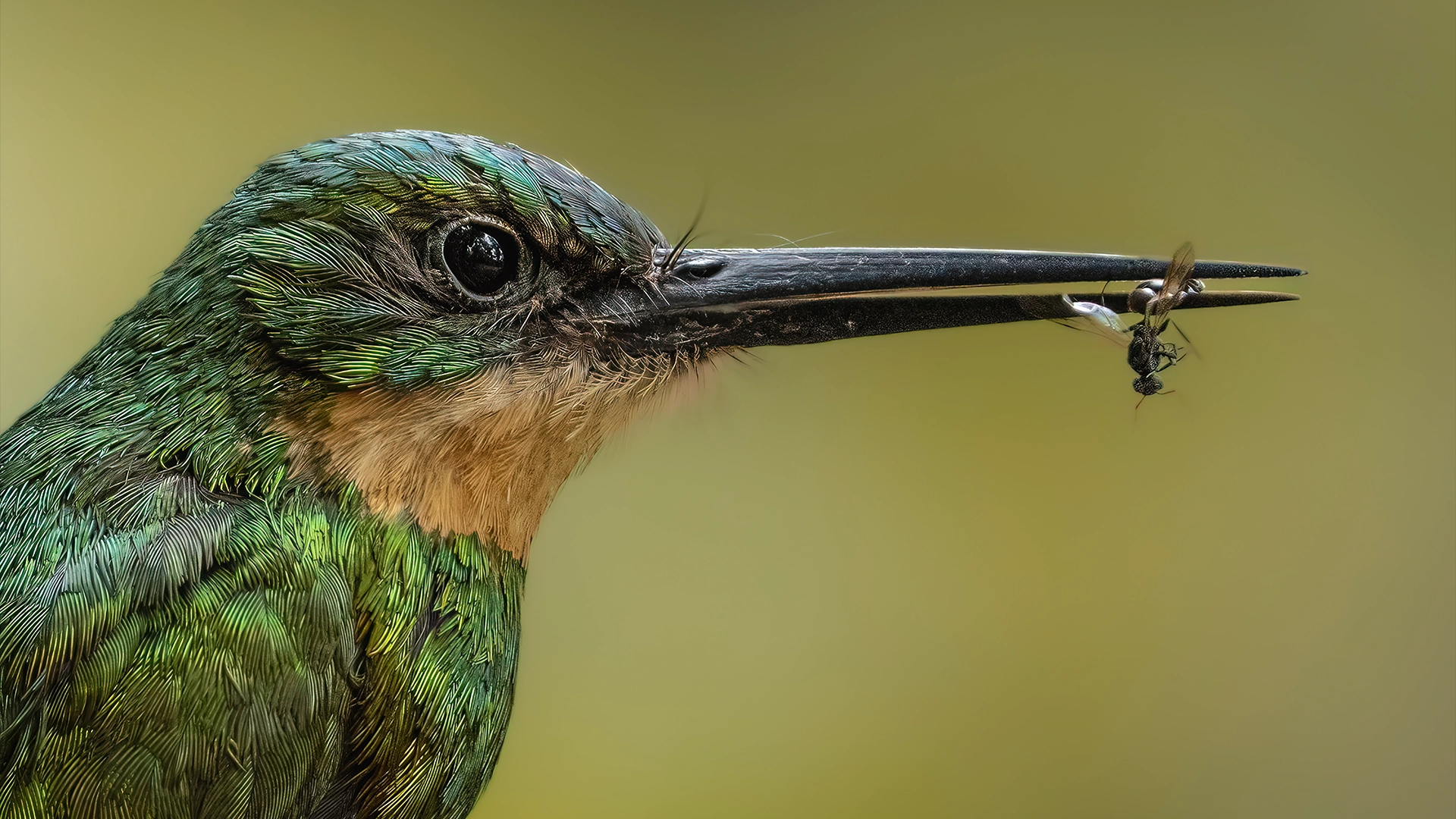
Green-tailed Jacamar (Galbula galbula). Getting close is never easy. But understanding behavior, and trusting in patience, can lead to extraordinary encounters even deep in the jungle. A female Green-tailed Jacamar, mid-meal. Photos: Federico Espinosa.