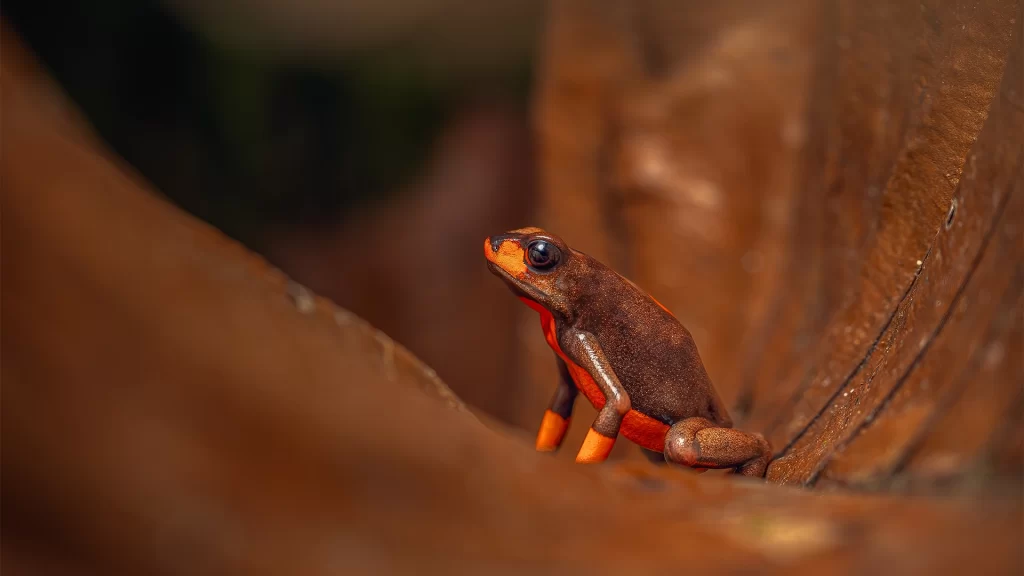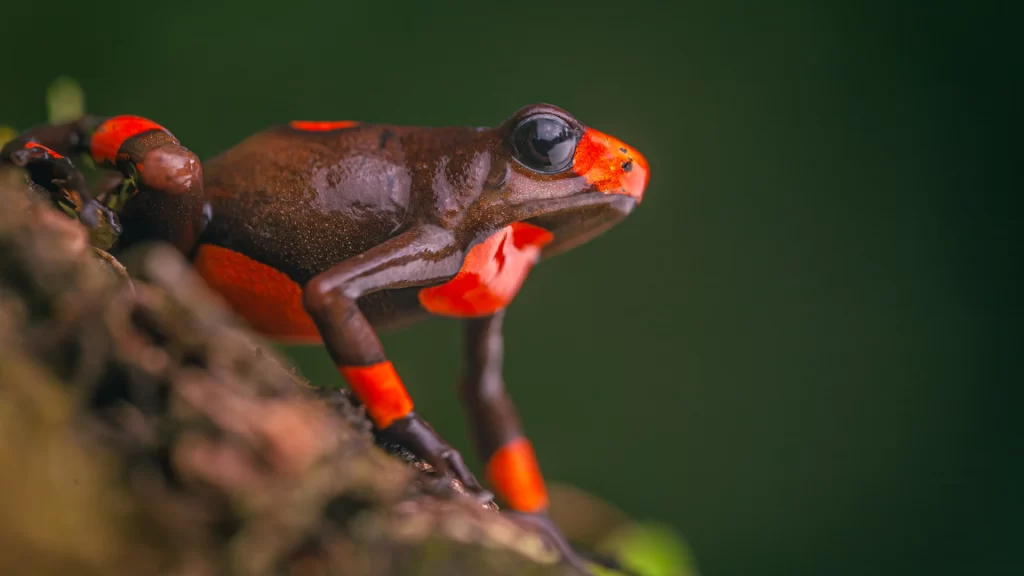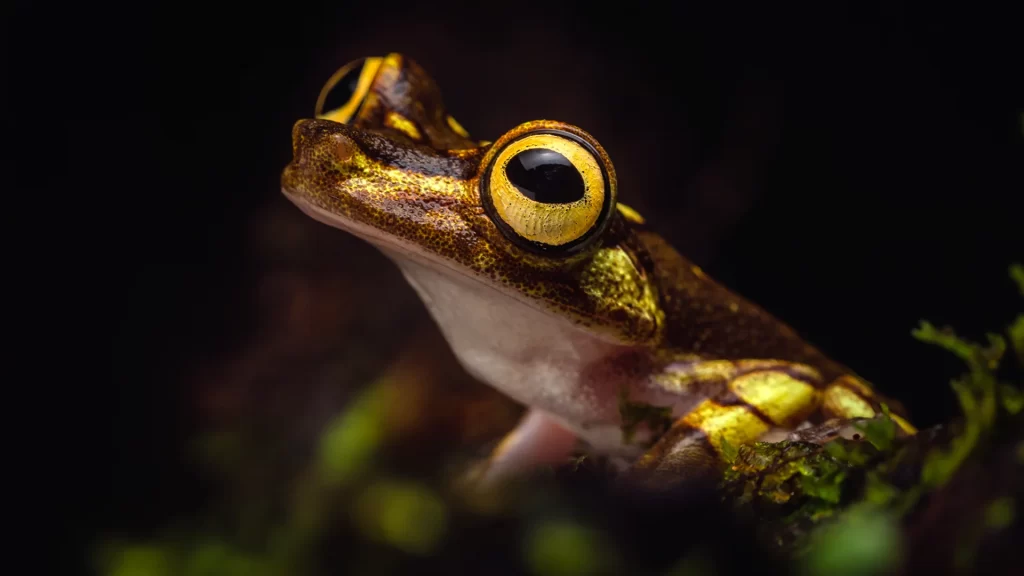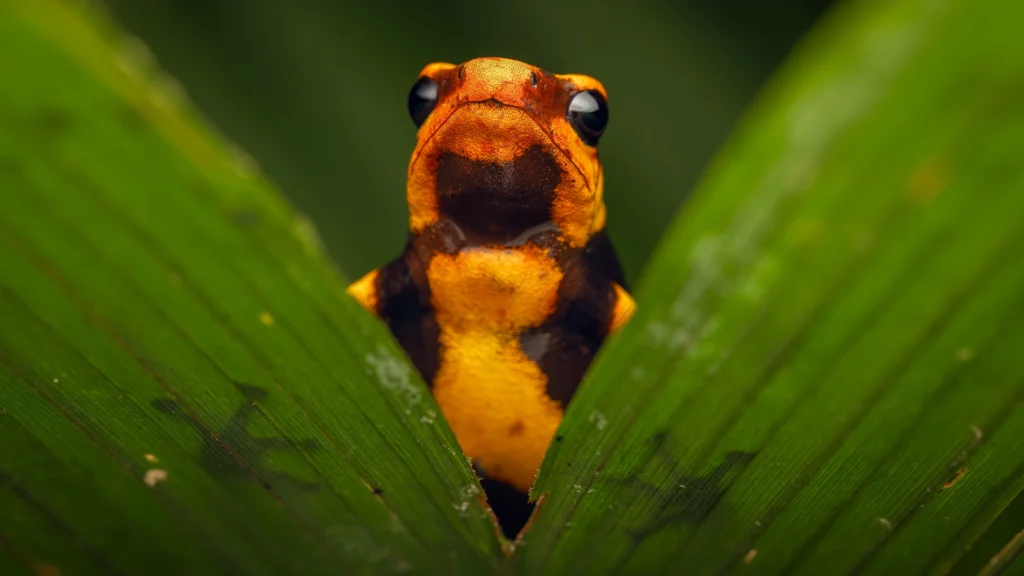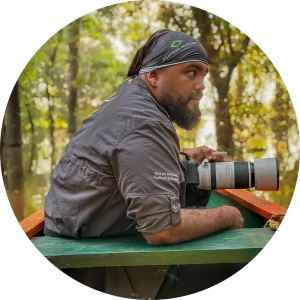
Herpetologist with a degree in Biology from the Universidad del Quindío. He is a full-time nature photographer, specializes in macro photography and leads workshops and photographic tours in Colombia. He is author or co-author of 16 articles in scientific journals on Colombian amphibians and reptiles.
His photographic work has taken him to explore every corner of the country. His photos have been featured in magazines such as Enfoque Visual, RowZine, and the Catalog of Amphibians and Reptiles of Colombia, among others. He won the environmental advocacy category in the Agenda del Mar photography competition (2022). He uses photography and biology as tools to promote conservation through various initiatives, contributing to a deeper understanding of species’ behaviors and their interactions with ecosystems. These two passions have allowed him to offer a unique perspective on the hidden and unknown world beneath the mysterious landscapes of Colombia’s mountains and plains, aiming to create a bridge between memory and nature.
Day 1 | Chocó | Bahía Solano | Welcome to the Pacific
At 9:00 a.m. we gather in Medellín like characters stepping into a grand adventure, bound for Bahía Solano’s mythical shores. At Olaya Herrera Airport, we share breakfast before the flight while laughter and anticipation intermingle. By noon, the airplane dips toward the emerald forest that cradles José Celestino Mutis Airport, a portal into a land forgotten by time. We’re ferried through tangled green veins toward El Valle, where the air hums with mystery and life, a breath of pure wilderness. After a hearty lunch, we embark on a walk through the jungle, our senses finely tuned to each rustle and shimmer. As night drapes the land, we venture forth again, flashlights casting pools of light in the darkness as secrets of the night unfold—a world where the familiar becomes foreign and the creatures of the earth reveal themselves only to those who look closely.
Day 2 | Chocó | Bahía Solano
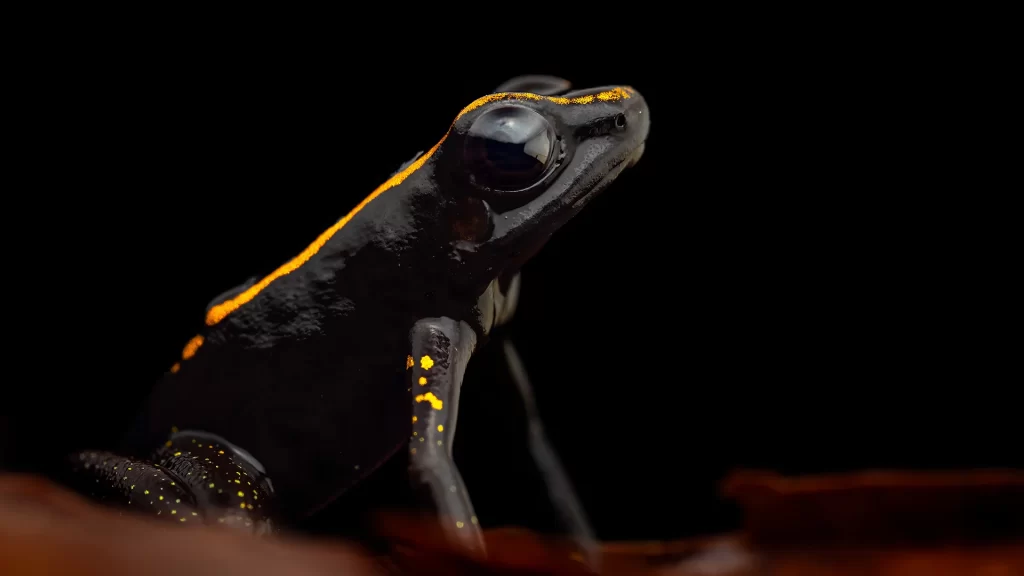
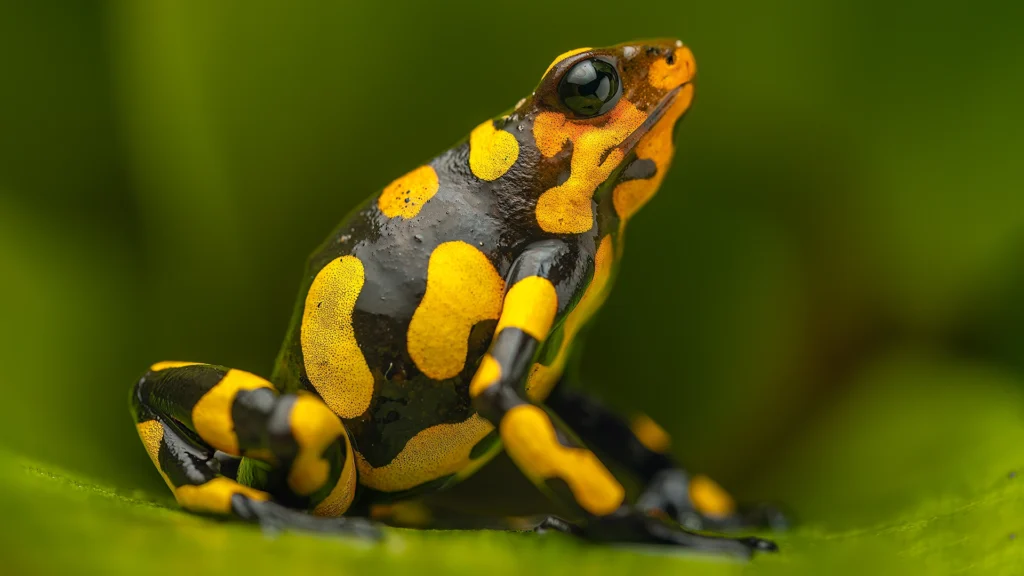
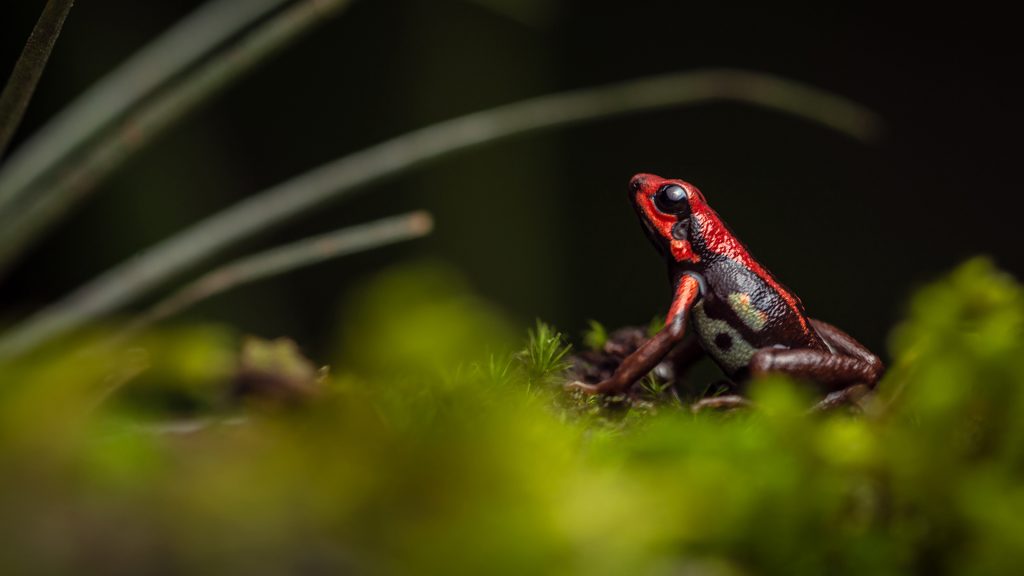
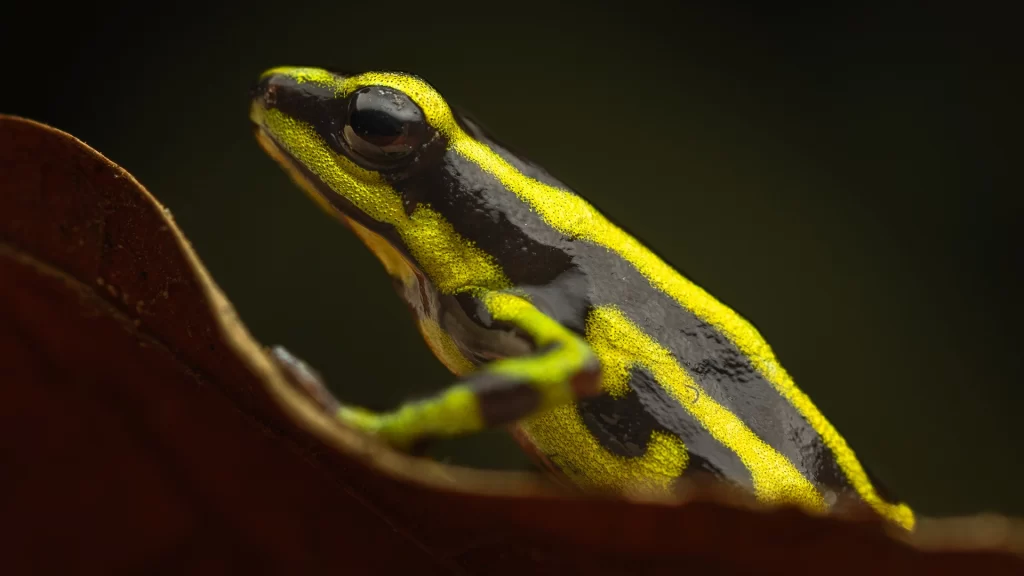
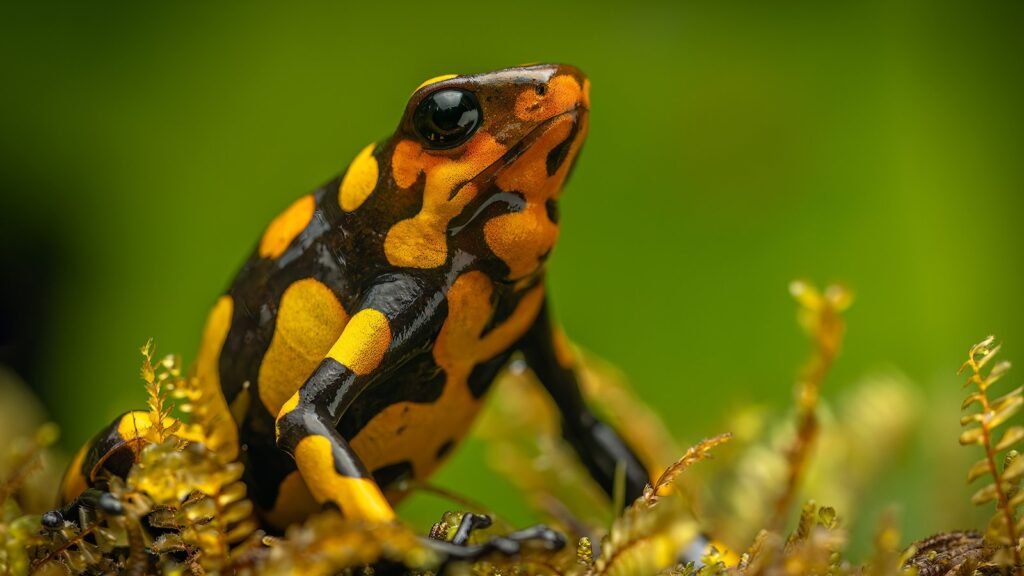
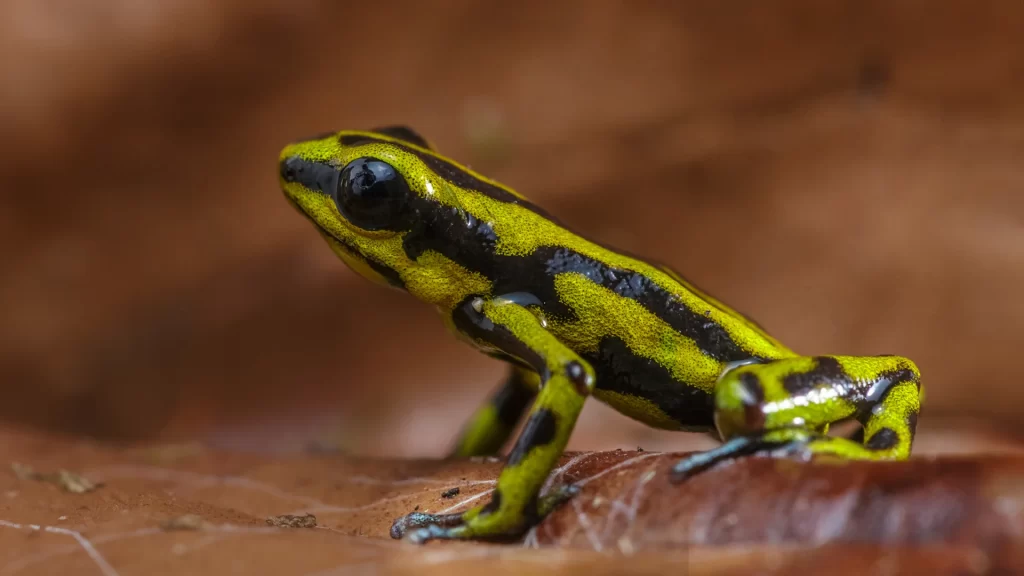
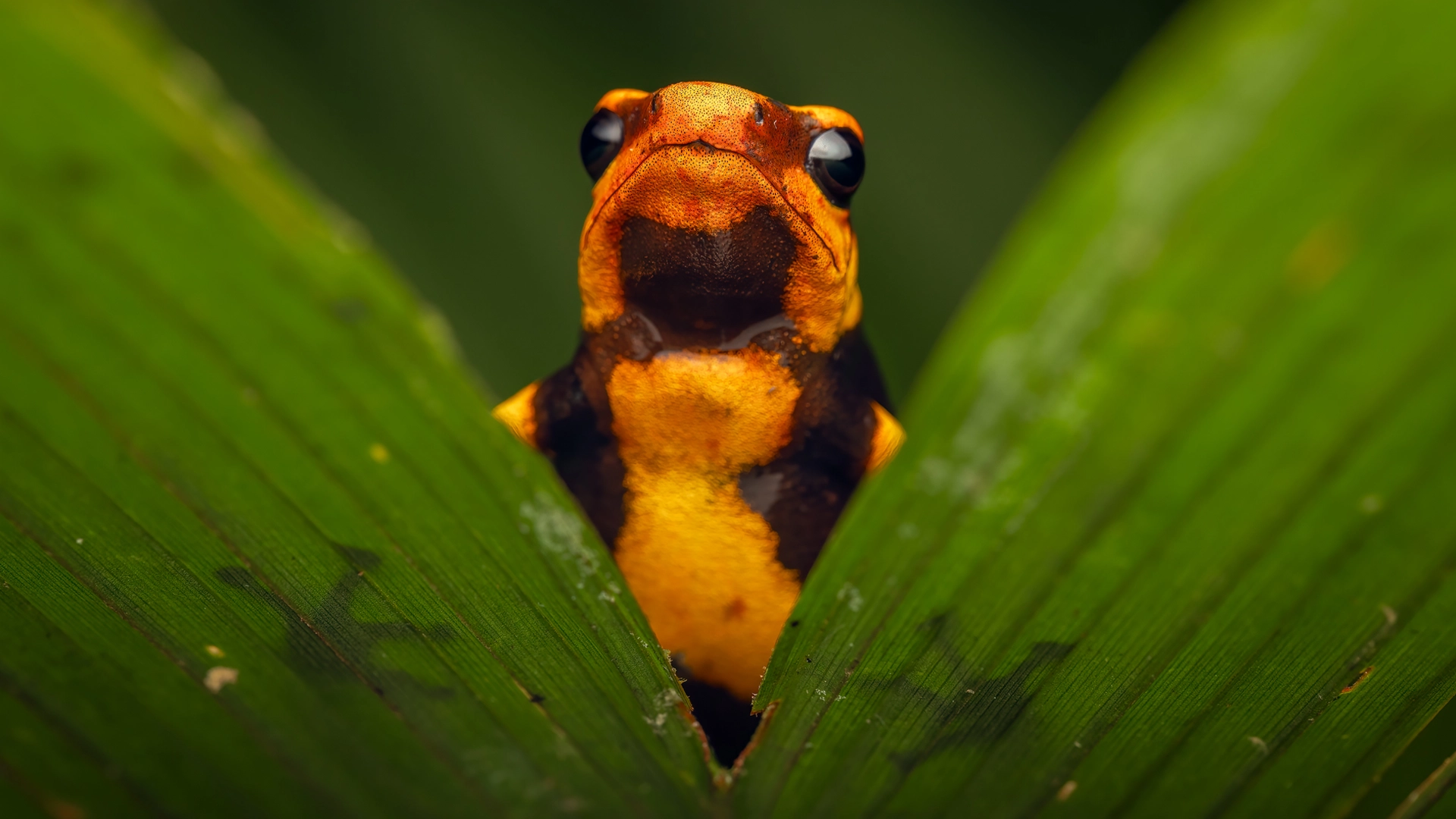
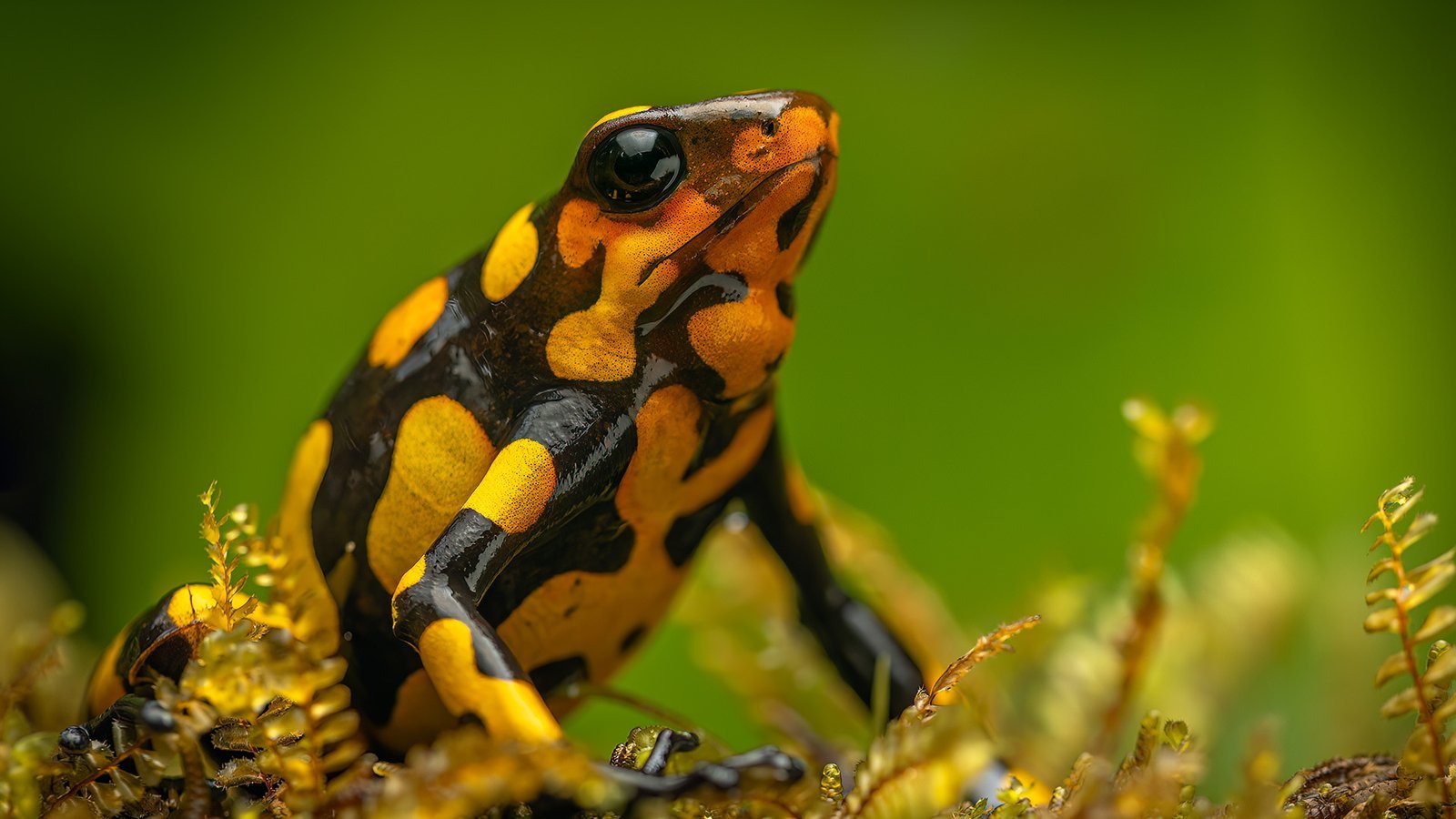
The morning arrives with a soft, misty light. Today, we are pilgrims in search of the vibrant, deadly, and mesmerizing—the poison frogs that lie hidden among the verdant ferns. Each step through the dense forest brings us closer to creatures adorned in colors stolen from dreams. Lunch is served in the heart of the forest, our conversations punctuated by bird calls and the hum of insects. As evening falls, we take once more to the night, a reverent silence binding us as we glimpse into a world woven from shadows and gleams, of creatures rarely seen and barely understood.
Day 3 | Chocó | Bahía Solano
With the sun kissing the treetops, we set out in search of elusive birds and tiny lifeforms too small to command notice yet teeming with life. Cameras at the ready, we capture the forest breathing, shifting, and revealing itself one frame at a time. By afternoon, the jungle calls us again to its verdant depths. We wade through foliage, each step sinking us deeper into its mysteries. Night draws us back once more; we become shadows among the shadows, awaiting the moment a flash illuminates scales and eyes glowing like embers in the black.
Day 4 | Risaralda | Pereira
The day unfolds in a medley of travel, the jungle releasing us from its embrace as we journey by air to the Andean heartland. By late afternoon, the familiar, haunting sights of Medellín recede as we venture on to Pereira, where lush coffee-scented landscapes stretch as far as the eye can see. Dinner is filled with laughter and anticipation, memories of the jungle dancing in our minds like echoes.
Day 5 | Risaralda | Santa Cecilia
Our journey leads to Santa Cecilia, a quiet town on the threshold of another paradise—its forests brimming with life and mystery. By afternoon, we are greeted by the wild chorus of Santa Cecilia’s rainforest. As night falls, we step into an almost mythical reality, where amphibians sing their ancient songs and the air hangs thick with stories waiting to be told. The forest stretches out before us, and for a few enchanted hours, it feels as though we belong to it.
Day 6 | Quindío | Kiraikai
After a morning walk, we set off towards Filandia’s hidden sanctuary—Kiraikai, where nature has been left to whisper its secrets undisturbed. By dusk, the lodge glows like a beacon under the encroaching darkness, and we step out to explore. The night’s air is thick with possibilities, the calls of nocturnal creatures echoing like drums in the distance. Our cameras and eyes become instruments, capturing fleeting instants of existence in a forest bound by ancient rhythms.
Day 7 | Valle del Cauca | San Cipriano
After an early walk, we depart for San Cipriano, a place so close to myth that reaching it requires a ride on a “brujita”—a contraption of wood and metal, riding the rails like a spell-bound chariot. As we reach the reserve, night descends. By lantern light, we step into the depths of the forest, where the creatures of dusk and shadow emerge. Tonight, the forest and all its mysteries feel ours alone.
Day 8 | Valle del Cauca | San Cipriano
The day is an ode to amphibians and reptiles, as we delve further into their world. Beneath the canopy, our senses attune to the smallest hints of life, colors blending with shadows, all to the rhythm of an ancient pulse. In the stillness of twilight, we dine under the forest’s embrace. As darkness falls, we take to the trails once more, our second night in San Cipriano alive with discovery.
Day 9 | Valle del Cauca | San Cipriano
Our last full day in San Cipriano begins with a silent homage to the rainforest. Each creature, each leaf, seems to resonate with the joy of existence. The day unfolds in a dance of light and shadow, of tiny scales and unseen eyes. Evening finds us deep within the forest, our cameras capturing the silent lives unfolding in each humid corner.
Day 10 | Valle del Cauca | Return and Farewell
Before dawn we set off for a last walk on the Pacific slope of Valle del Cauca, where several threatened poison frogs of the genus Oophaga live. We look for them quietly and from a distance, and the forest decides what we see. Then we drive back to Cali for a farewell dinner together. Note. The end time of the night tours may vary, and if someone wishes to continue the night hike after 23:00, they can do so with one of the guides. Flight schedules may vary, and we are not responsible for any delays that airlines may experience. The duration of ground transfers may also vary due to potential accidents on the road.
OUR WORKSHOP INCLUDES:
OUR WORKSHOP DOES NOT INCLUDE:
We will begin an immersive photographic adventure in nature where you will discover and tell your version of your story through your photographs. We have some recommendations that will be very useful when choosing your equipment depending on the approach you want to explore. We want to travel comfortably and protect our equipment. We’ll give you some tips on what to keep in mind.
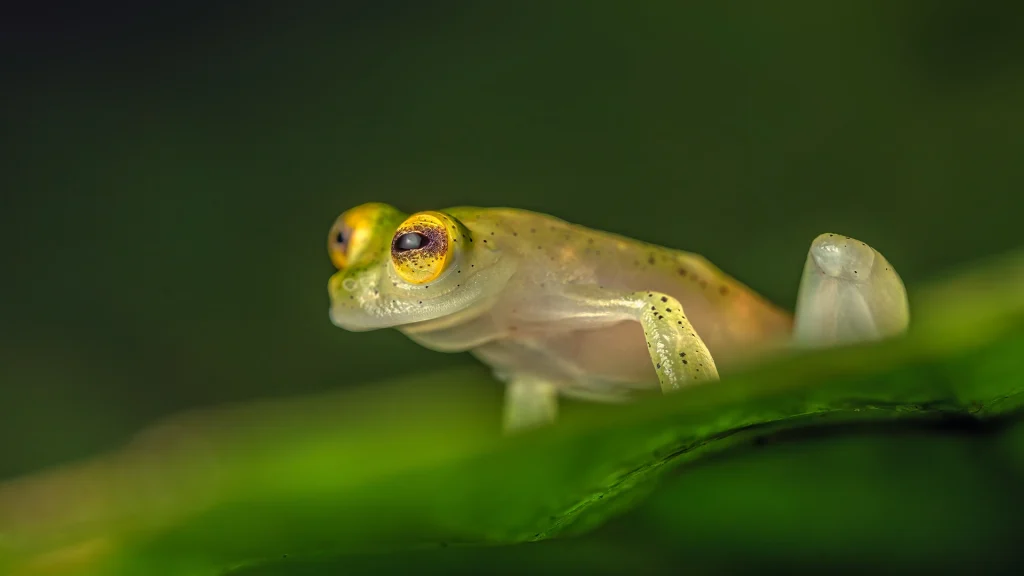
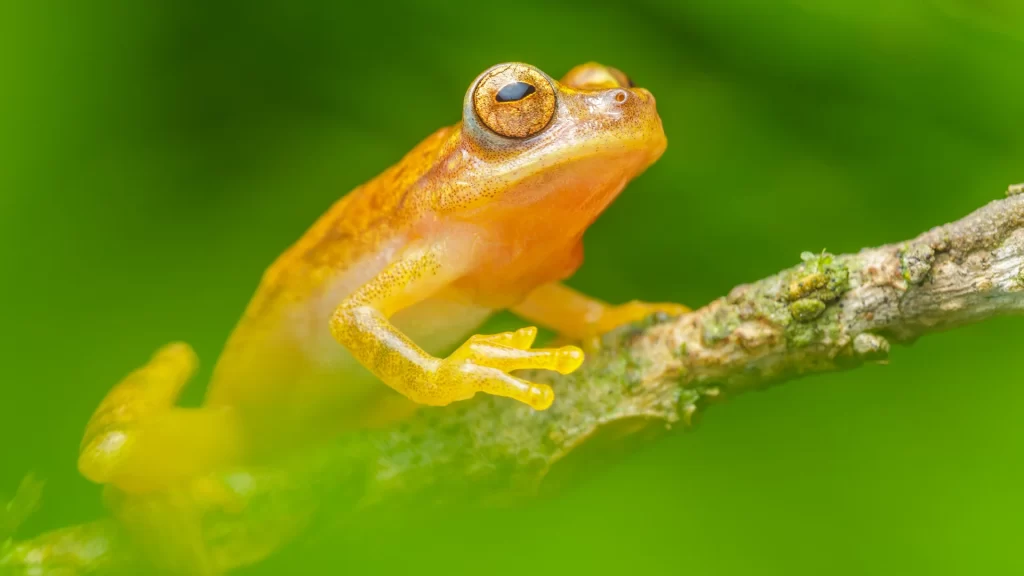
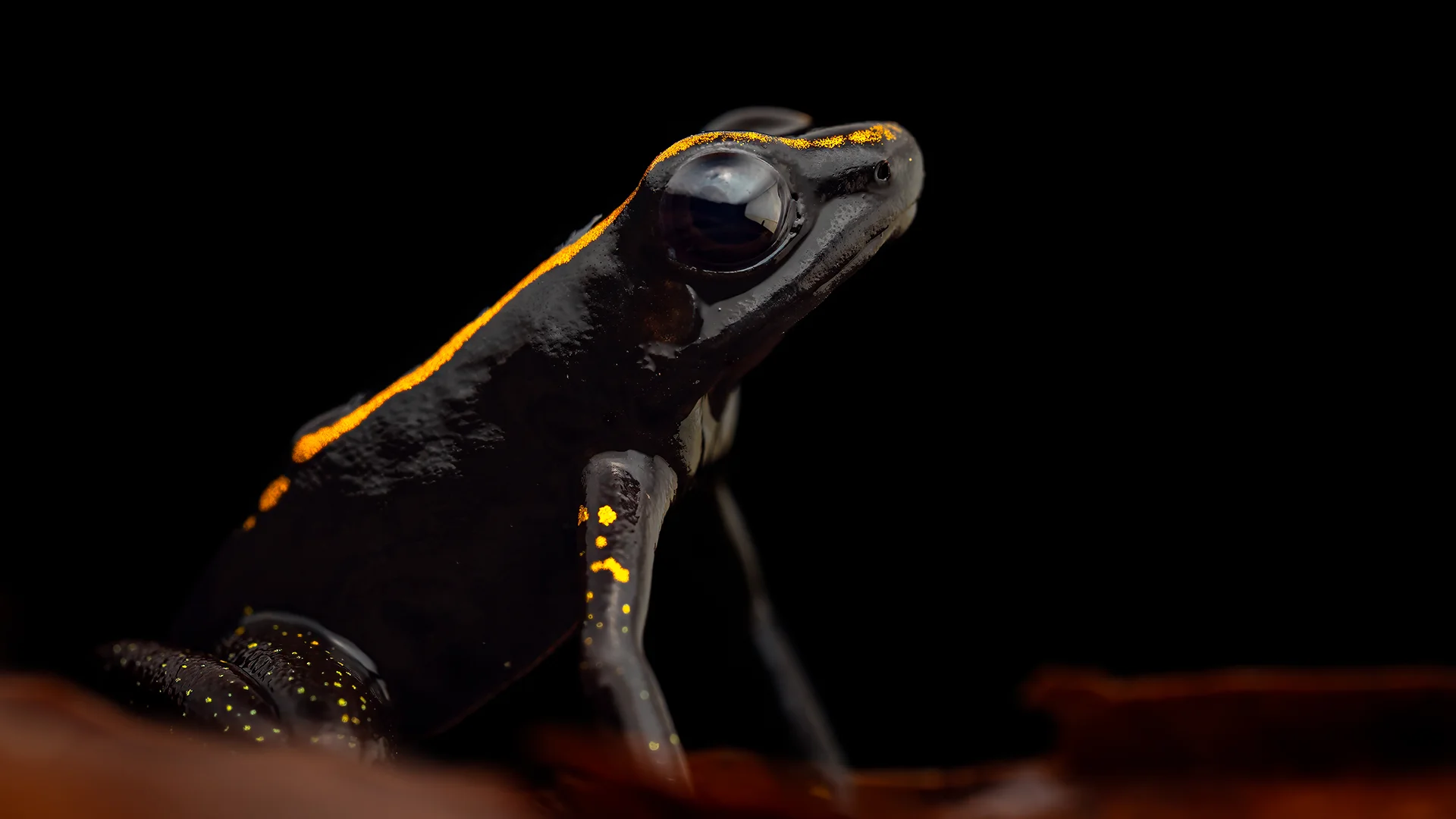
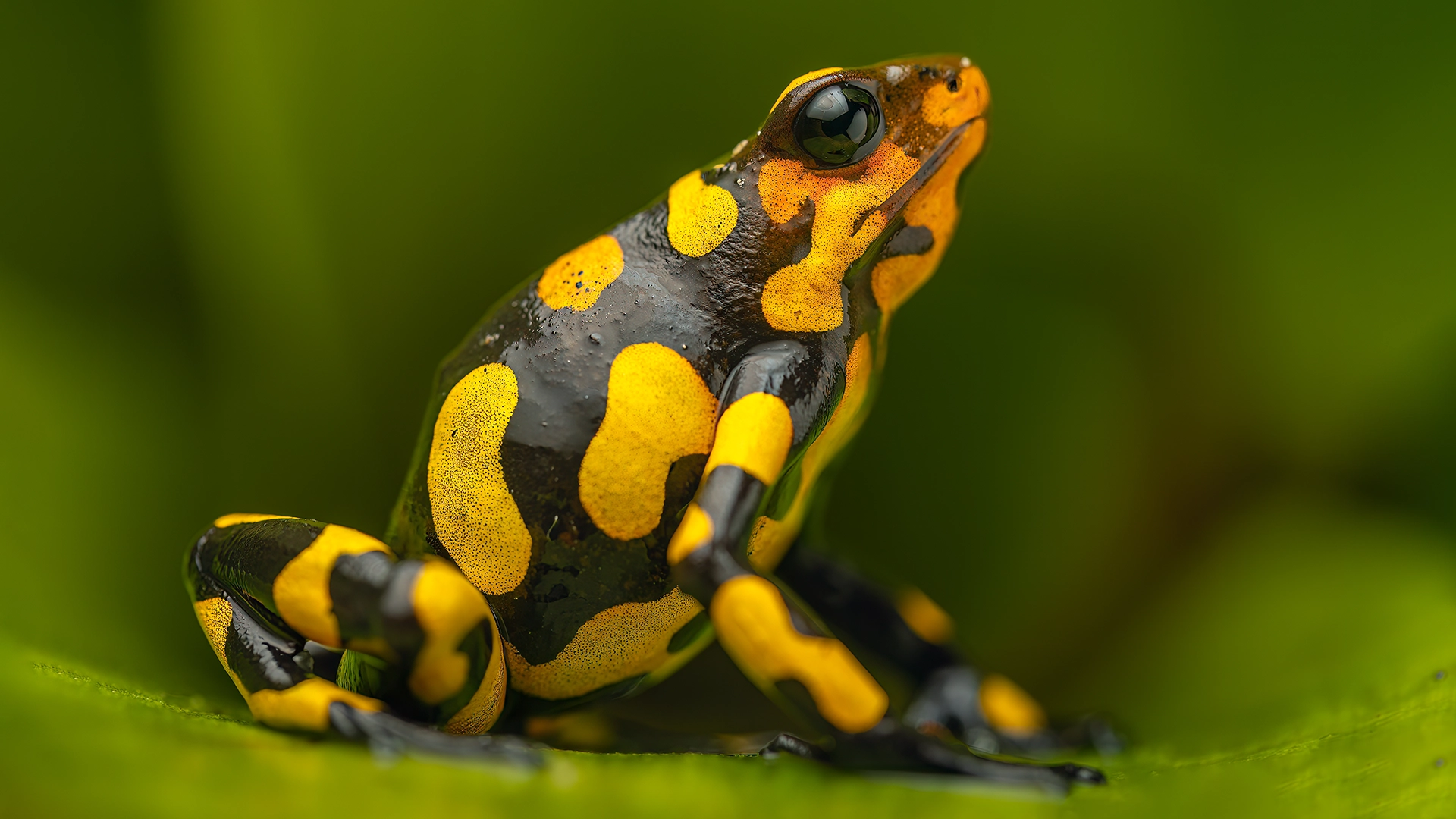
The tour’s species list names ten species of the poison frog family (Dendrobatidae), such as the Cauca poison frog (Andinobates bombetes) and the black-legged poison dart frog (Phyllobates bicolor). Some are threatened: the IUCN Red List classifies A. bombetes as Vulnerable and P. bicolor as Endangered. Sightings in the wild are never guaranteed.
In the Colombian Pacific lowlands, which this tour visits, it rains in every month: Bahía Solano averages about 5,700 mm a year and no month falls below 170 mm. Poison frogs are mostly active by day, so there is no single best month. Because the tour runs on demand, Keeping Nature Tours sets the dates with your group.
Keeping Nature Tours quotes this tour on request because it runs on demand for groups of up to 8 people. The quote includes domestic flights between Medellín and Bahía Solano and from Medellín to Pereira, 9 nights of lodging, all meals, ground transport, day and night walks and photography guidance. Write to us with your dates and group size.
It is Level 4, advanced trekking. Most days combine a forest walk by day with a night walk, on humid and often muddy trails. Night walks may run past 11 p.m.; if you want to keep going after that, one of the guides stays out with you. There are also travel days with domestic flights and road transfers between regions.
It starts in Medellín and ends in Cali. The first domestic flight to Bahía Solano leaves from Olaya Herrera Airport, in the city. If you arrive in Colombia through José María Córdova International Airport (MDE), in Rionegro, the drive to Medellín takes 40 to 60 minutes. We confirm the meeting time with the flight schedule once your place is booked.
No. We photograph every frog where we find it, without picking it up or moving it to a better leaf. The threatened species we look for are approached quietly and from a distance, flash is used at low power and sparingly, and we stop if an animal reacts. We never publish the exact location of sensitive species, and we ask the group to do the same.
A 90 to 105 mm macro lens is the key lens. A 15 mm wide-angle macro is useful for frogs in their habitat, and an external flash with a diffuser and wireless triggers helps in low forest light. Bring rain protection for your camera, dry bags and silica gel, because it rains in every month on the Pacific coast.
We spend 9 nights in shared rooms in rural lodges along the route. All meals are included, 10 breakfasts, 10 lunches and 10 dinners, from breakfast at the airport in Medellín on Day 1 to a farewell dinner in Cali on Day 10, with regional food along the route. Tell us about any diet or allergy when you book, and we confirm with each lodge what they can prepare.
We plan every stop with local guides and lodges, travel with the group at all times, and change the plan if a place or a road is not in good shape. Talk to your doctor or a travel clinic well before the trip about the vaccines recommended for the Colombian Pacific lowlands, and bring enough of any regular medication. We recommend travel insurance with medical evacuation.
The tour is guided in English and Spanish.
Write to info@keepingnaturetours.com or on WhatsApp at +57 311 398 9259 with your preferred dates and the size of your group, up to 8 people. We reply with a quote and the payment details. Payment and cancellation conditions are in the Cancellation terms tab.
These terms apply to every Keeping Nature Tours trip. If a trip page shows its own payment or cancellation dates, those apply to that trip. Courses and classes, online or in Cali, follow the change of mind, refund, transfer and contact rules here; their payment and cancellation dates are on each course page.
Write to info@keepingnaturetours.com or WhatsApp +57 311 398 9259. We confirm your place and send these terms; you reply that you accept them, and a 30% deposit holds your place. We only take payments into Keeping Nature Tours S.A.S. BIC accounts.
The other 70% is due 60 days before the trip, unless your confirmation shows another date. Booking later? You pay in full. If a payment is late, we wait 5 business days; then the booking counts as cancelled that day and the table below applies.
Tell us by email; the day we receive it counts. Within 5 business days of paying the deposit you can change your mind and we refund everything within 15 days (unless the trip starts within those 5 days). After that, we keep:
| If you cancel | We keep |
|---|---|
| More than 90 days before | 10% |
| 90 to 61 days before | 30% |
| 60 to 31 days before | 50% |
| 30 days or less before | 100% |
Every percentage here is of the trip price. If you do not show up on the first day without telling us, we keep the 30% deposit and refund the rest of what you have paid. We never keep more than you have paid. If we resell your place, you get everything back less 10%. Serious illness, accident or the loss of a close relative, with a document: hand your place to someone else, or keep what you paid as credit for any KNT trip within 12 months, less 10%.
Hand your place to another person at no cost, any time, if they meet the trip’s requirements. Move to another date or trip once, free, if you ask more than 60 days before and there is space.
For trips on demand, the minimum group and the confirmation date are in your quote. We confirm the trip at least 30 days before it starts, or on the day you book if you book later. If we do not reach the minimum, or cancel for weather, a road, river or park closure, or conditions on the route we judge are not right for the group, you choose: full refund or a new date. If a day cannot run during the trip, we replace it; if we cannot, we refund what our suppliers return. Please wait for our confirmation before buying flights.
What you book yourself (flights, extra nights, visas, insurance), days you choose not to use, a place lost for breaking the guide’s safety or wildlife rules, and not seeing a species: wildlife lives free.
Trips in Colombia include a medical assistance card; you also need your own health cover (EPS, or travel medical insurance if you come from abroad). Trips outside Colombia require insurance with medical evacuation. We strongly recommend cancellation cover for the full price.
A change of mind in the first 5 business days is refunded within 15 days. Any other refund is paid within 30 days of your request, by transfer. Each side pays its own bank’s fees, except on a change of mind or when we cancel.
Keeping Nature Tours S.A.S. BIC, tour operator, RNT 272712, Cali, Colombia. info@keepingnaturetours.com · WhatsApp +57 311 398 9259 · Terms and Conditions

Luggage Carrying

Accommodation

Complete Feeding

Photographic Assistance

Local Guides

Hydration

Rural lodging

Day and Night Tours

Snacks

Souvenir

Health Insurance

Ground Transport