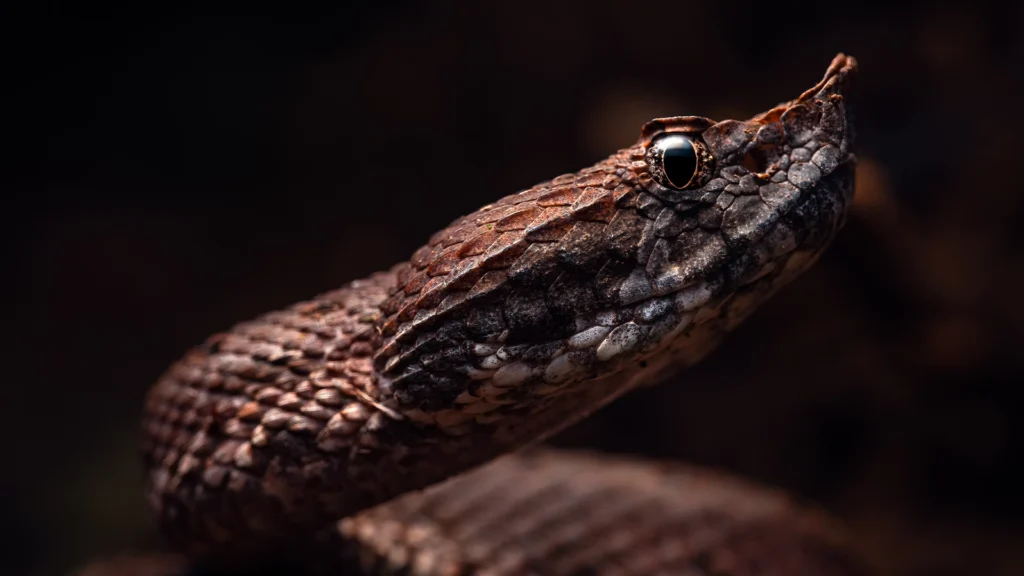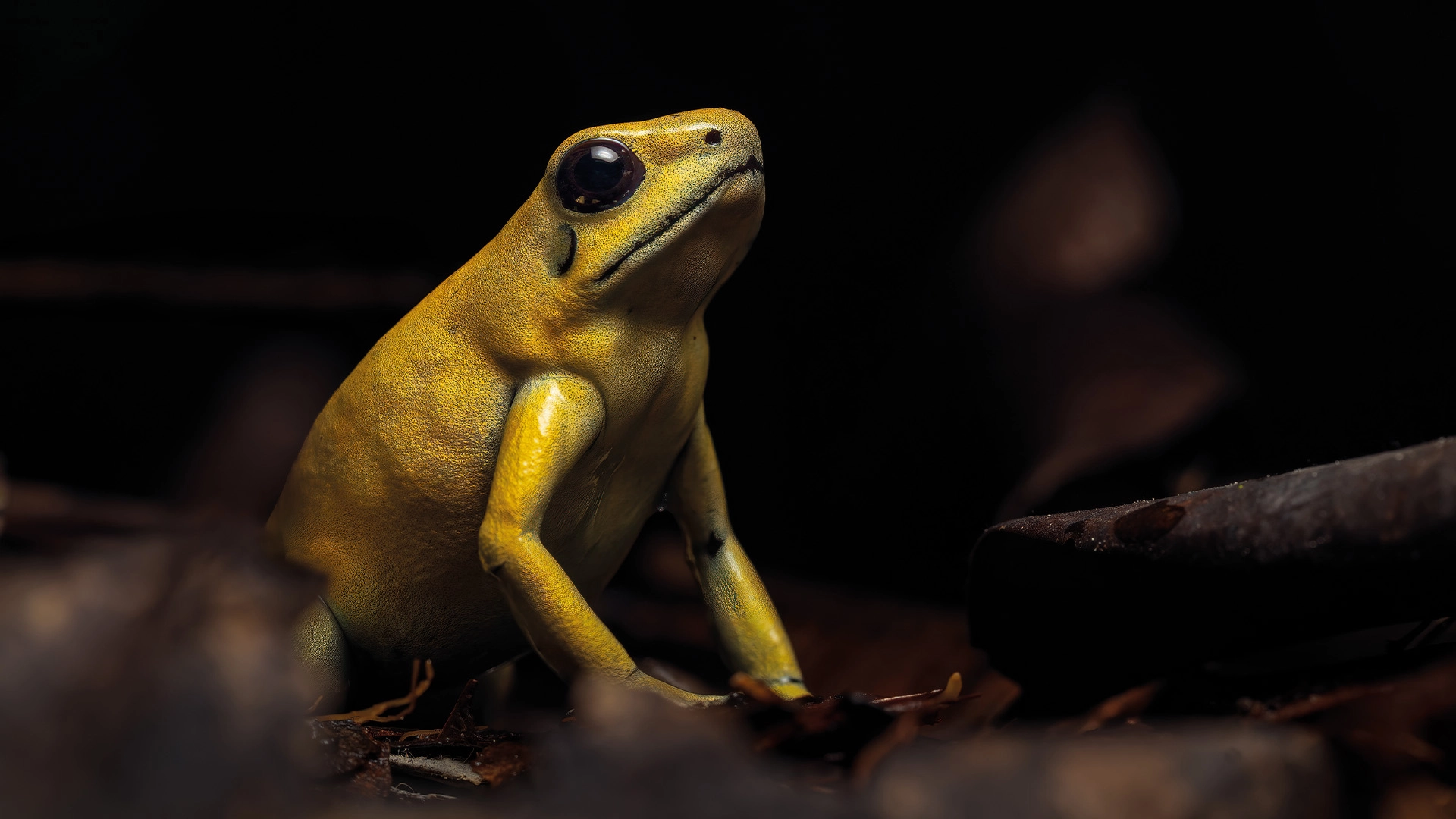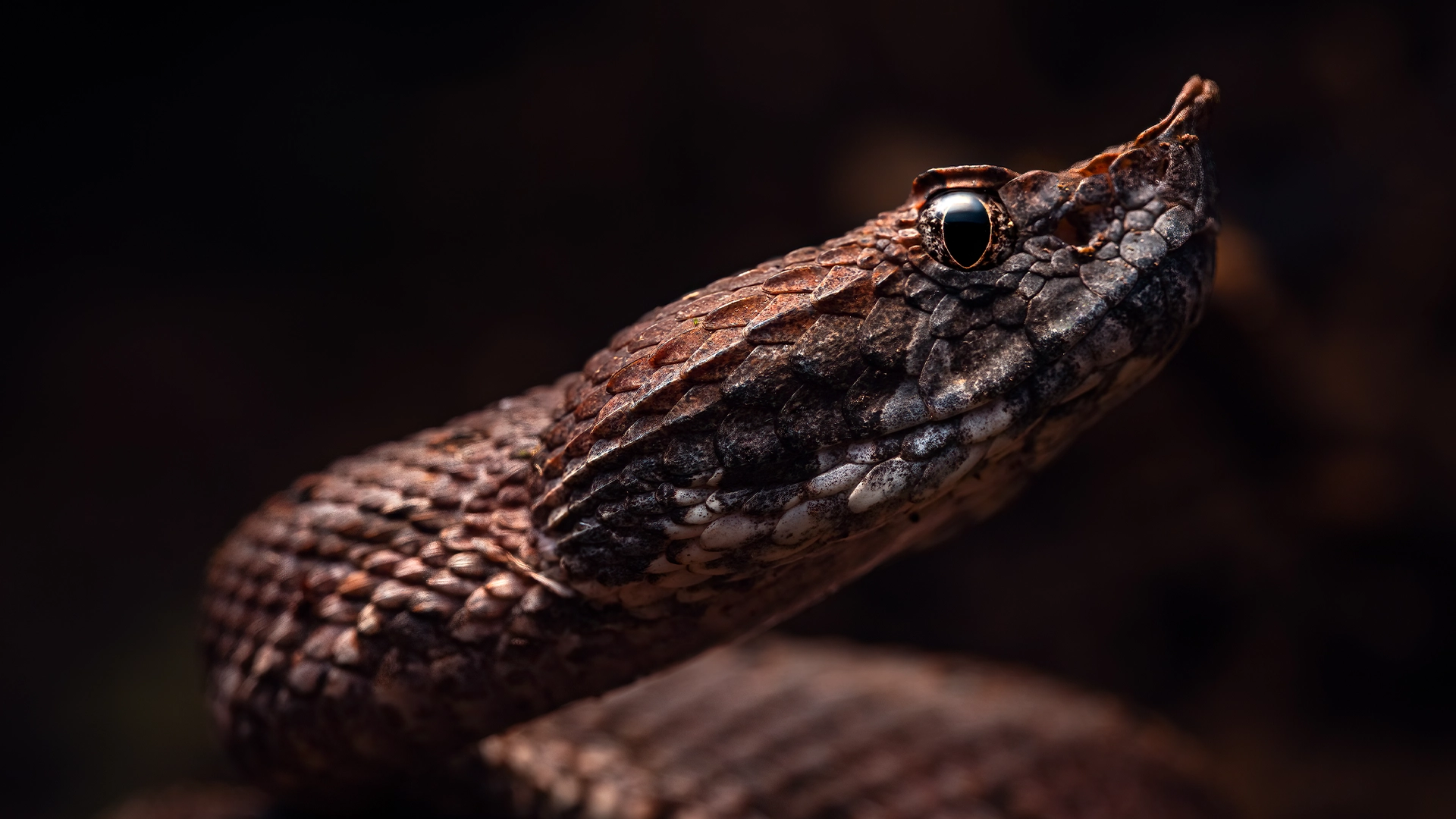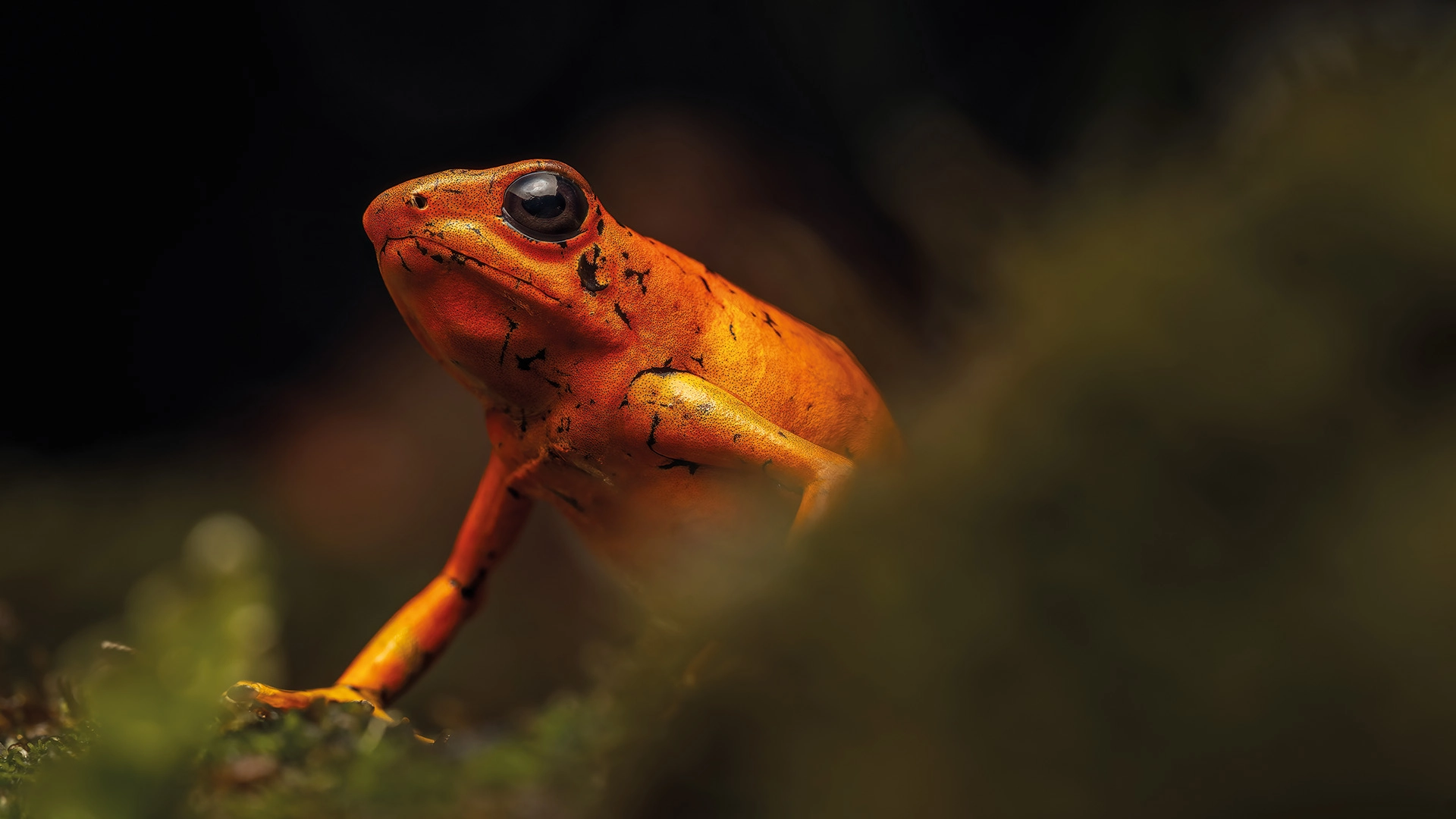
Deep in the humid rainforests of Colombia’s Pacific coast lies Timbiquí, a remote municipality that shelters the golden poison frog (Phyllobates terribilis), a Colombian endemic listed as Endangered by the IUCN. Its skin carries batrachotoxin, a potent neurotoxin.
On this tour, you’ll travel through Afro-Colombian territory on Colombia’s Pacific coast. Accompanied by Jhonattan Vanegas, a herpetologist and nature photographer, and by local guides, you’ll explore the forests and riverbanks in search of this species, while discovering other amphibians, reptiles, birds, and mammals that share its habitat.
The journey begins in Cali and takes you to the heart of the Chocó biogeographic region, where you’ll cross rivers, walk forest trails, and visit community reserves with local guides. You’ll learn about the natural history and conservation of Phyllobates terribilis and photograph it in its natural environment, with its bright warning colors. Sightings in the wild are never guaranteed.
This tour offers an immersive wildlife photography experience, with rainforest sounds, river crossings and traditional food. Whether you are a naturalist, a photographer or simply curious about nature, you can meet one of Colombia’s endemic poison frogs in its forest home.
Photograph the Golden Poison Frog in Its Natural Habitat. This expedition takes you to the heart of Colombia’s Pacific rainforest, home to the golden poison frog (Phyllobates terribilis). This Colombian endemic has a small range on the Pacific lowlands of southwestern Colombia. Guided by Jhonattan Vanegas and local guides, you’ll have the chance to photograph this elusive frog and other amphibians, reptiles and birds that live in this rainforest.
Guidance in Field Herping and Jungle Photography. Throughout the journey, you’ll be accompanied by Jhonattan Vanegas and the Keeping Nature Tours team, professionals in wildlife observation, macro photography, and tropical fieldwork. You’ll receive hands-on support in capturing detail-rich portraits of amphibians, mastering lighting techniques in humid environments, and building compelling photographic stories. Whether you’re just starting out or refining your style, we’ll help you grow your visual voice.
Explore Timbiquí, on the Colombian Pacific. Timbiquí is a remote municipality in the Chocó biogeographic region, reached by a flight from Cali. The tour crosses rainforest and rivers that are home to endemic flora and fauna, in a region where habitat loss is the main threat to the golden poison frog.
Experience Culture, Conservation, and Community. This tour is not just about the frogs, it’s about the people who live alongside them. You’ll learn from Afro-Colombian communities who protect the forests and share ancestral knowledge with visitors. Enjoy traditional Pacific cuisine, river journeys, and storytelling that ties ecology and identity together. The tour works with local guides and includes official entrance access to community-managed natural areas.
Guidance in Amphibian and Jungle Wildlife Photography. You’ll receive specialized instruction in photographing Phyllobates terribilis (the golden poison frog) and other elusive species of the Pacific rainforest. From framing to camera settings and focus control, our team will help you build a visual story of this species and the animals that share its habitat.
Master Macro Photography in the Field. Timbiquí offers the perfect setting to refine your macro photography skills. Learn how to manage depth of field, approach subjects slowly and from a distance, and control your shooting angle to emphasize texture, color, and biological detail. We’ll guide you in photographing not just frogs, but also insects and plant life that reveal the rainforest’s intricate beauty.
Lighting Solutions for Dense Tropical Environments. Rainforest photography comes with lighting challenges, and we’re here to help you overcome them. From managing soft light at dusk to using off-camera flash at night, you’ll receive guidance on how to work with diffusers, reflectors, and light modifiers to achieve natural-looking, balanced exposures.
Capture Behavior, Movement, and Environmental Context. From frogs calling on wet leaves to snakes blending into leaf litter, we’ll help you anticipate and freeze fleeting behaviors in real time. You’ll practice high-speed and burst shooting techniques, slow approaches, and creative compositions that combine wildlife with habitat for more impactful storytelling.
Field Mentorship by Jhonattan Vanegas and Team. Throughout the tour, you’ll be accompanied by Jhonattan Vanegas, wildlife photographer and herpetologist, along with the Keeping Nature Tours team. Each outing becomes an opportunity to grow, as you receive hands-on feedback and personalized support tailored to your gear, goals, and vision.
Macro Lens (90 to 105 mm). A high-quality macro lens is essential for capturing the intricate details of small subjects, such as the vibrant patterns of poison dart frogs. It lets you fill the frame without crowding the animal, while maintaining sharpness and clarity.
Wide-Angle Macro Lens (15 mm). A 15 mm wide-angle macro lens is perfect for creating environmental portraits that feature both the subject and its natural habitat. This lens helps highlight the unique surroundings, adding depth and context to your shots.
External Flash. Portable off-camera flashes are ideal for delivering controlled lighting in the low-light conditions of tropical forests. They enhance the vivid colors of amphibians. We use flash at low power and sparingly, and we stop if an animal reacts.
Wireless Flash Triggers. Wireless transmitters allow you to use off-camera flash setups, offering greater creative control over light direction and intensity. This is particularly useful in uneven lighting conditions and dense jungle environments.
Flash Diffuser. Essential for softening harsh light and minimizing reflections on the moist skin of amphibians. Diffusers ensure even, natural-looking lighting that highlights fine textures without overpowering the subject.
Portable Reflector. Compact and foldable, reflectors help bounce light onto the subject, providing additional fill light in shaded or low-light conditions. They enhance detail and color without the need for extra flash units.
Extension Tubes. Extension tubes increase your lens magnification, allowing for more precise focus on very small details. They are a cost-effective way to expand your macro capabilities without investing in new lenses.
Note. Highlighted in green are the poison frogs (family Dendrobatidae) we may see on this tour. Sightings are never guaranteed.

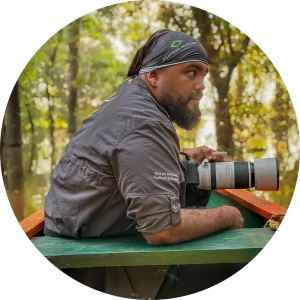
Herpetologist with a degree in Biology from the Universidad del Quindío. He is a full-time nature photographer, specializes in macro photography and leads workshops and photographic tours in Colombia. He is author or co-author of 11 articles in scientific journals on Colombian amphibians and reptiles.
His photographic work has taken him to explore every corner of the country. His photos have been featured in magazines such as Enfoque Visual, RowZine, and the Catalog of Amphibians and Reptiles of Colombia, among others. He won the environmental advocacy category in the Agenda del Mar photography competition (2022). He uses photography and biology as tools to promote conservation through various initiatives, contributing to a deeper understanding of species’ behaviors and their interactions with ecosystems. These two passions have allowed him to offer a unique perspective on the hidden and unknown world beneath the mysterious landscapes of Colombia’s mountains and plains, aiming to create a bridge between memory and nature.
Day 1 | Tour Begins | Welcome to Timbiquí
We’ll start our adventure with an early morning flight from Cali to Timbiquí, entering the heart of Colombia’s Pacific lowlands. After arriving, we’ll check in at our local accommodation and take time to settle into the rhythm of the forest town. Following a traditional Pacific lunch, we’ll begin our first photographic walk through the surrounding landscapes, warming up our cameras and senses for the days to come. In the evening, we’ll return for dinner and a well-deserved rest, setting the tone for a tour filled with biodiversity, color, and discovery.
Day 2 | Rainforest Trails | Phyllobates terribilis
Our second day is fully dedicated to finding and photographing Phyllobates terribilis, the golden poison frog. We keep our distance and do not handle the frogs. After breakfast, we’ll begin our morning herping session in the humid lowland rainforest, with local guides. We’ll return to the lodge for lunch and a short rest, then head back into the field for another photographic session, making the most of the changing light and the vibrant ecosystem. After a full day of encounters and visual storytelling, we’ll enjoy a hearty dinner and relax before another day of adventure.
Day 3 | New Trails | Day and Night Herping
Today, we explore new trails and microhabitats. We’ll look for other species of the Chocó region, such as Oophaga sylvatica and Bothrops asper, depending on conditions and group interest. Our guides will take us to other areas for both diurnal and nocturnal species. After lunch, we’ll continue documenting the wildlife of the Chocó biogeographic region. In the evening, we return for dinner on our last night in Timbiquí.
Day 4 | Timbiquí | Farewell & Return
On our final morning, we’ll have breakfast and take time to pack up and reflect on our journey. We’ll transfer to the airport and catch our flight back to Cali. This last leg of the trip is a time to share photos and memories before saying farewell.
Note. The end time of the night tours may vary and if someone Wishes to continue the night hike after 23:00, They can do so with one of the guides. The duration of ground transfers may also vary.
OUR TOUR INCLUDES:
OUR TOUR DOES NOT INCLUDE:
We are about to begin an immersive photography adventure in nature, where you’ll discover your own way of telling stories through images. To help you make the most of this experience, we’ve prepared a few recommendations that will be useful when choosing your gear depending on the photographic approach you want to explore. Our goal is to travel comfortably while keeping your equipment protected. Here are some important tips to keep in mind:
Keeping Nature Tours: love for nature, passion for photography.

Luggage Carrying

Accommodation

Complete Feeding

Photographic Assistance

Local Guides

Hydration

Day and Night Tours

Snacks

Souvenir

Health Insurance

Water Transport

Ground Transport
We will be happy to talk to you and clarify all your doubts about your next photographic experience, select one of our customer service lines, we will answer you as soon as possible.
Each adventure is unique and so is its level of difficulty. Visit our blog to learn how we classify the physical intensity of our tours and find the one that’s right for you.
Keeping Nature Tours is a tour operator that promotes photography, nature tourism, and wildlife observation with the goal of helping to conserve the most threatened ecosystems, which are affected by deforestation, lack of awareness about species, or cultural beliefs.
Through photography and nature tourism, we can showcase the most beautiful side of Colombia, creating new opportunities for the remote communities in our country.
FOLLOW US ON OUR SOCIAL NETWORKS
Copyright 2026 © Keeping Nature Tours