Virtual Workshop | Nature Through the Lens

KEEPING NATURE TOURS

Virtual Workshop | Nature Through the Lens

Mar 09 | 2026 | Online Workshop

Learn photography from scratch in our 100% online theoretical workshop

Basic Photography Workshop | Online

Welcome to our exciting online workshop, “Nature Through the Lens.” Designed especially for beginner photographers, this course will teach you the fundamentals of nature photography in an accessible and stimulating way.

Led by our professional photographer, Jhonattan Vanegas, you’ll discover the secrets of capturing natural beauty with your camera. From basic composition to photography techniques for birds and small species, you’ll learn how to highlight nature’s majesty through your photographs.

Our online format gives you the flexibility to learn from home, allowing you to access lessons and materials anytime, anywhere. Additionally, you’ll participate in practical sessions and receive personalized feedback from the instructor, ensuring effective and enriching learning.

Get ready to experience a visual journey that will connect you with the essence of nature while developing your photography skills. No previous experience is required, just a passion for photography and a desire to explore the natural world through your lens. Register now and discover the art of capturing nature’s magic!

  • Learn nature photography guided by a professional photographer with years of field experience.

  • Study from home, in a flexible evening format that fits your schedule and promotes a steady learning pace.

  • Receive personalized feedback from the instructor through assignments, visual analysis, and creative exercises.

  • Begin your journey into nature photography with no prior experience needed—just curiosity and a camera.

Module 1 · Photography in Context & Project Foundations

This module introduces the historical, conceptual, and communicative foundations of photography while guiding participants through the initial construction of their personal nature photography project, which will be developed throughout the course.

  • Historical Context of Photography. An overview of the evolution of photography, from its origins to contemporary nature photography, understanding how historical moments, authors, and movements have shaped the way we see and represent the natural world.
  • The Image as a Tool for Communication. Exploration of photography as a visual language: how images convey meaning, emotion, information, and intention, and how nature photography can inform, inspire, and raise awareness.
  • Photography and Technological Development. Understanding the relationship between technological advances and photographic practice, and how tools influence aesthetics, workflow, and creative possibilities in modern nature photography.
  • Epistemological Foundations of Photography. A reflection on photography as a way of knowing and interpreting reality, especially in relation to nature, biodiversity, science, and conservation.
  • Project Definition & Concept Development. Participants will begin designing their personal photography project, defining:
    • Theme and subject
    • Purpose and message
    • Visual approach and narrative intention

This project will evolve throughout the course, integrating technical, aesthetic, and conceptual learning from each module.

Module 2 · Fundamental Concepts of Photography

This module provides the technical foundations of photography, focusing on how light, camera settings, and optics work together to create intentional images. Participants will learn to move beyond automatic modes and begin making conscious decisions that support both technical control and visual storytelling in nature photography.

  • Camera Operation & Photographic Tools. Introduction to camera operation and essential controls, understanding how modern cameras function as creative tools rather than automatic devices. Emphasis on knowing your camera to respond efficiently in real field conditions.
  • Camera Types, Sensors & Image Capture. Overview of camera systems and sensor technologies (CCD, CMOS, sensor sizes, crop factor), including how sensor characteristics affect image quality, noise, dynamic range, and color—especially in low-light and high-humidity environments.
  • Optics & Focal Length. Understanding lenses as the photographer’s primary creative instrument. Analysis of focal length, lens types (wide-angle, standard, telephoto, macro), and how optics influence perspective, depth, and visual narrative in nature photography.
  • Light & Exposure Fundamentals. In-depth study of light as the core element of photography. Introduction to: Aperture (diaphragm) and depth of field, Shutter speed and motion control and ISO and image sensitivity. These concepts are explored through the exposure triangle and the law of reciprocity, enabling participants to balance light intentionally.
  • Metering Systems & Exposure Control. Understanding how cameras measure light through different metering modes (evaluative, center-weighted, spot), including reflected vs. incident light. Introduction to exposure compensation, histograms, and the Zone System as tools for accurate exposure in complex lighting conditions.
  • Focus & Depth of Field. Exploration of depth of field and selective focus as visual tools to guide attention and create impact. Participants learn how aperture, focal length, and distance to the subject influence sharpness and background separation.
  • From Technique to Intention. This module connects technical knowledge with creative decision-making. Participants begin applying these concepts to their personal photography project, defining how technical choices support mood, message, and storytelling rather than just correct exposure.
Module 3. Macrophotography & Lighting

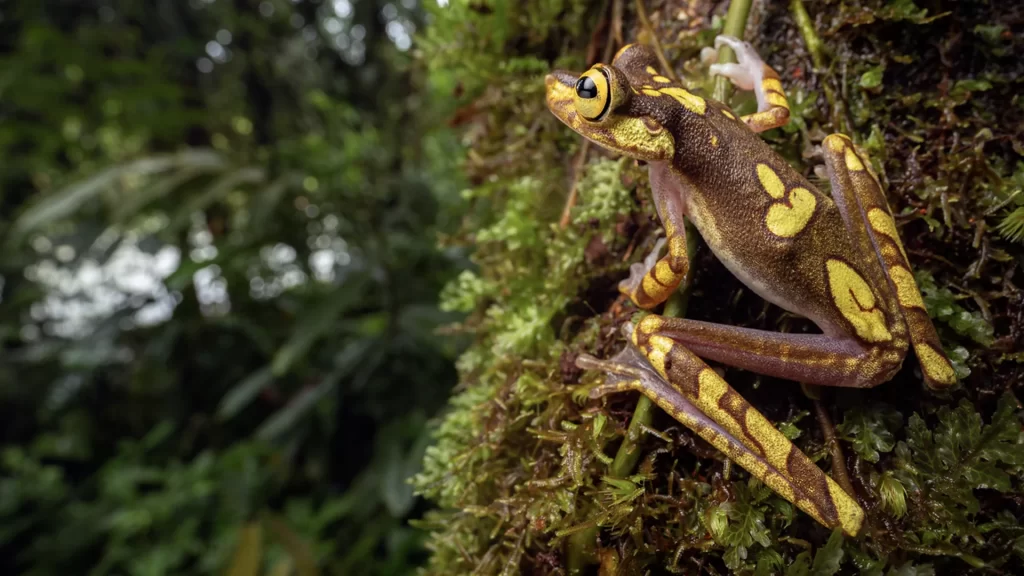
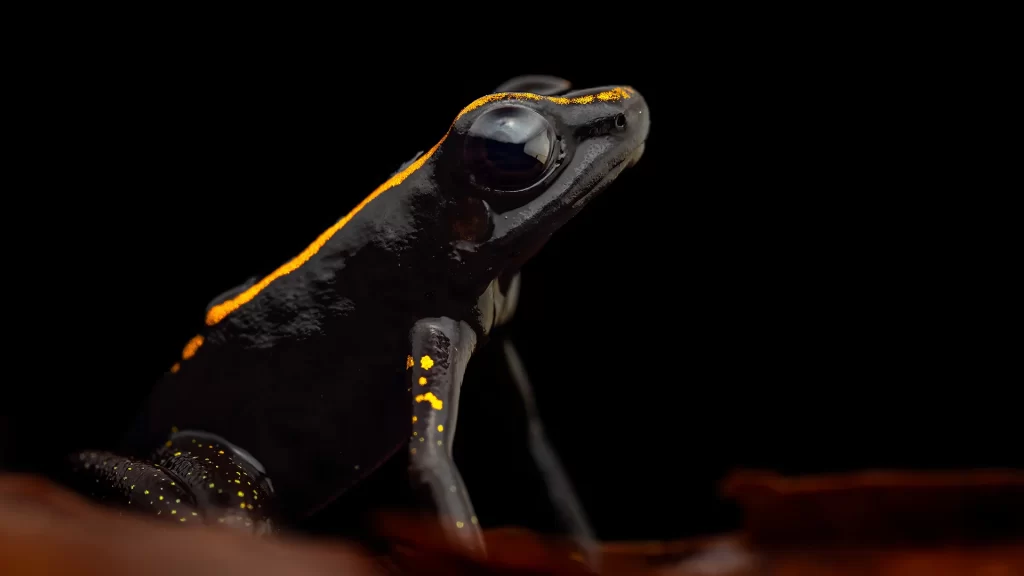
Module 3 focuses on the technical and creative foundations of macro photography, with a strong emphasis on light control. In this module, participants will learn how to photograph small subjects, such as amphibians, reptiles, insects, and textures, by understanding magnification, depth of field, composition, and artificial lighting.

Topics include the fundamentals of macro photography, essential equipment and accessories, selective focus, and compositional strategies. A major part of the module is dedicated to artificial lighting, covering external flash use, light modifiers, diffusion techniques, flash positioning, inverse square law, color temperature, and background control.

By the end of this module, students will be able to design and execute controlled macro images, making intentional decisions about light, mood, texture, and background, key elements for strengthening their personal photographic project.

Module 4. Bird & Landscape Photography

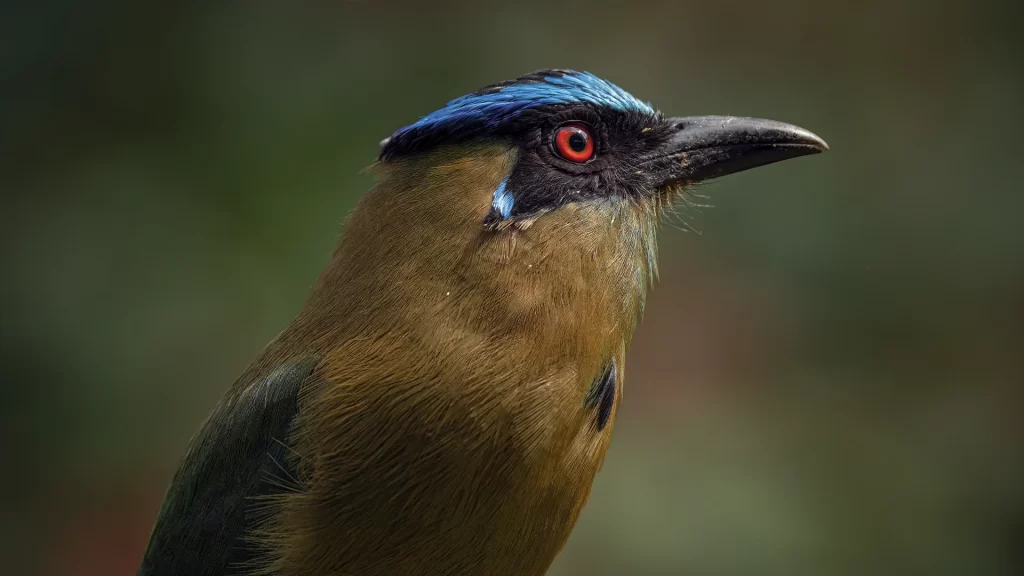
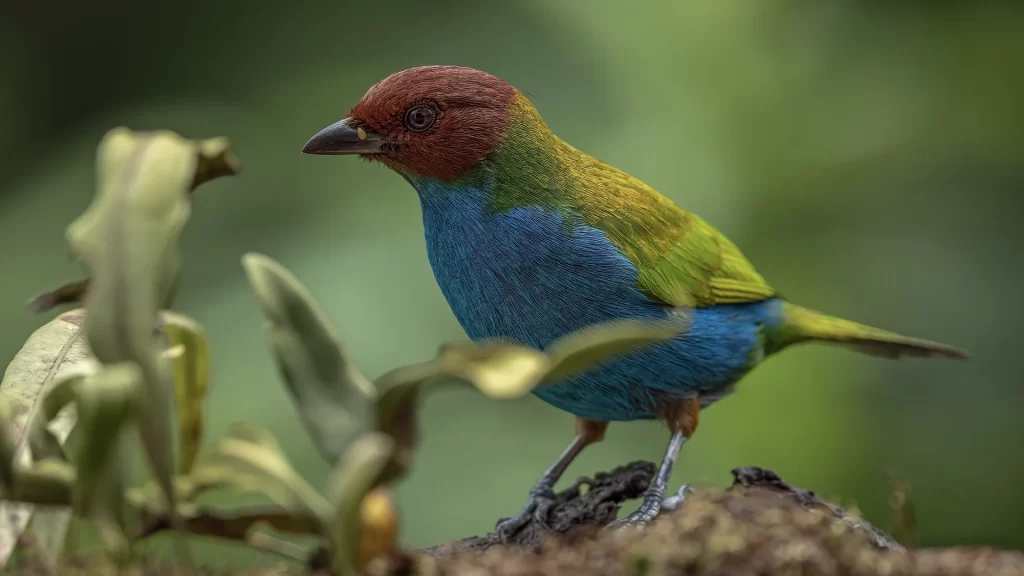
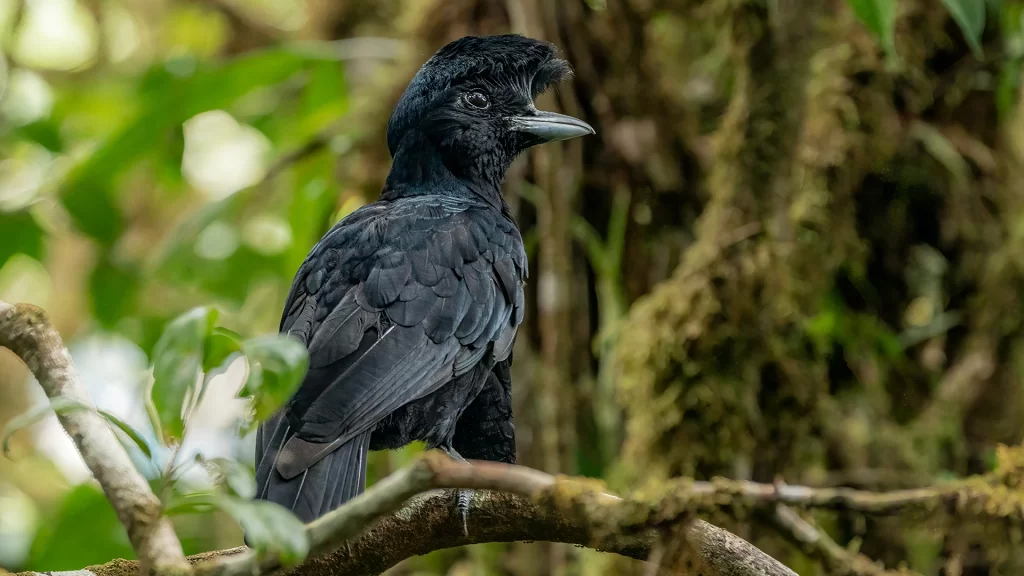
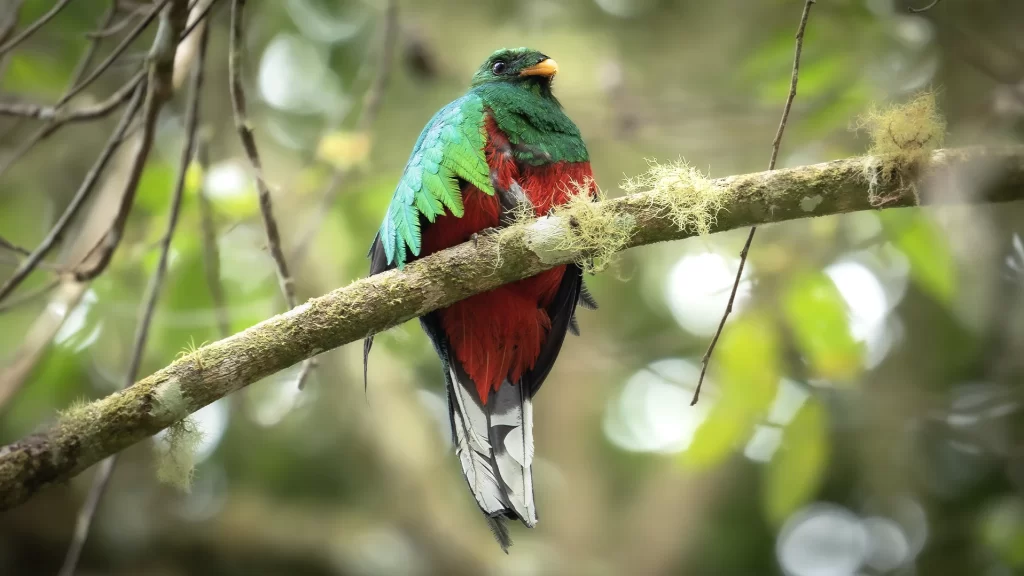
In the bird photography section, participants will learn to approach birds through observation, patience, and ethical field practices. We will explore how understanding behavior, habitat, and movement directly influences photographic results. Technical aspects such as camera settings, autofocus modes, focal length selection, and exposure control will be covered, along with composition strategies that help isolate subjects while preserving a sense of place. Emphasis will be placed on anticipating moments, reading light, and working with natural backgrounds to create impactful and respectful images.

The landscape photography component introduces participants to the principles of visual interpretation of space, light, and scale. We will explore how to read the environment, recognize favorable lighting conditions, and use composition to guide the viewer’s eye. Topics include the use of wide-angle lenses, filters, and exposure techniques, as well as the role of foreground, midground, and background in building depth and balance. Long exposure concepts will be introduced as creative tools rather than purely technical exercises.

Throughout the module, participants will be encouraged to think beyond individual images and begin integrating birds and landscapes into a cohesive visual language. This approach strengthens their ongoing photographic project by adding context, atmosphere, and narrative depth, helping them move from isolated photographs toward a more complete and intentional body of work.

Module 5. Composition & Color Theory

In this module, we explore composition and color as fundamental tools for visual storytelling in nature photography. Participants will learn how to organize elements within the frame to create balance, rhythm, depth, and visual intention, moving beyond rigid rules toward more conscious and expressive image-making.

We will study classical composition principles such as the rule of thirds, symmetry and asymmetry, visual weight, leading lines, patterns, textures, and negative space, with a strong focus on how these concepts apply in real field situations. The goal is to help photographers make deliberate compositional decisions while working with unpredictable subjects and natural environments.

Color theory is introduced as a key narrative element. Participants will learn how color relationships, contrast, harmony, and saturation influence mood, atmosphere, and meaning in an image. Understanding color in natural light conditions allows photographers to strengthen visual coherence and reinforce the identity of their ongoing photographic project.

This module plays a critical role in refining each participant’s visual language and improving the consistency and clarity of the photographic project developed throughout the course.

Module 6. Post-Processing & Visual Coherence

In this final module, we focus on post-processing as a creative and technical extension of the photographic process. Participants will learn how editing helps translate intention into a final image, reinforcing mood, color, contrast, and narrative consistency across a photographic project.

We introduce Adobe Lightroom and Adobe Photoshop as complementary tools within a professional workflow. Lightroom will be used for image selection, organization, global adjustments, and color management, while Photoshop will be presented as a precision tool for fine retouching, local corrections, and image refinement when necessary.

Special emphasis is placed on developing a clean, efficient workflow: from importing and organizing files to building a consistent visual language across a series of images. Participants will learn how editing decisions should support the story and identity of their photographic project rather than overpower the image.

This module allows participants to finalize their ongoing photographic project with greater technical control, visual coherence, and personal style, preparing their images for presentation, portfolio use, or publication.

This workshop goes beyond theory. Each module includes practical assignments designed to help you build a meaningful photographic project grounded in personal narrative, technical skills, and creative vision.

You’ll be guided through the complete process of developing a photo project—from choosing a theme and defining your visual story, to executing your images and presenting them in a cohesive body of work. Inspired by questions such as “Why am I telling this story?” and “What impact do I want to create?”, you’ll explore the social and emotional depth behind your images.

Through structured exercises and feedback, you’ll learn to:

  • Identify a compelling theme and define a photographic narrative.

  • Create series of images that communicate meaning, context, and emotion.

  • Develop visual strategies using macro, landscape, bird, and environmental photography techniques.

  • Set creative goals, define your audience, and align your photographic decisions with a clear message.

  • Plan and present your final project—be it a virtual exhibition, photo essay, or visual portfolio.

Whether you’re capturing nature in your backyard or interpreting biodiversity through creative compositions at home, this workshop is your opportunity to turn intention into impact.

Join a growing community of nature photography enthusiasts. Our online platform includes access to discussion groups, project critiques, and ongoing inspiration even after the course ends. Stay connected, share your progress, and grow together through collaborative learning and shared passion for the natural world.


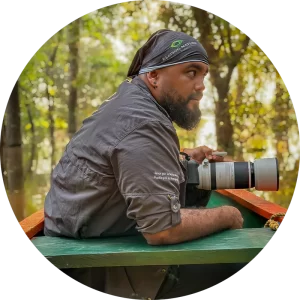
 Jhonattan Vanegas

Biologist, Herpetologist, and Nature Photographer

One of the best amphibian, reptile and wildlife photographers in Colombia. He leads workshops and photographic tours. He is a biologist and expert in macro-photography, full-time nature photographer and leading tour guide in Colombia. He has published 14 scientific articles contributing to the knowledge and conservation of various species in Colombia. His photographic work has taken him to explore every corner of the country. His photos have been featured in magazines such as Enfoque VisualRowZine, and the Catalog of Amphibians and Reptiles of Colombia, among others. He won the environmental advocacy category in the Agenda del Mar photography competition (2022). He uses photography and biology as tools to promote conservation through various initiatives, contributing to a deeper understanding of species’ behaviors and their interactions with ecosystems. These two passions have allowed him to offer a unique perspective on the hidden and unknown world beneath the mysterious landscapes of Colombia’s mountains and plains, aiming to create a bridge between memory and nature.

Session 1 | March 09 | Photography in Context & Project Foundations

In the first session of the Nature Photography Course, we will explore the historical and conceptual foundations of photography, understanding how this discipline has evolved alongside technology, science, and society. From early photographic processes to contemporary digital practices, we will analyze how the way we photograph nature has been shaped over time.

This session also marks the starting point of your personal photography project. Through guided reflection and discussion, you will begin defining the theme, intention, and message of the project you will develop throughout the course. We will explore photography not only as a technical practice, but as a visual language and a tool for interpretation, storytelling, and connection with the natural world.

By the end of this session, you will have a clear conceptual base and the first structure of your photographic project, setting the direction for your creative journey during the course.

Session 2 | March 11 | Technical Foundations & Camera Control

In the second session of the Nature Photography Course, we will focus on the technical foundations that allow photographers to take full control of their cameras. Participants will explore camera operation, different camera systems and sensors, and the role of optics and focal length in shaping perspective and visual narrative.

This session introduces the fundamentals of light and exposure, including metering modes, exposure control, and the exposure triangle. Through these concepts, students will learn how to move beyond automatic settings and begin making intentional technical decisions that support both creative vision and the development of their personal photography project.

Session 3 | March 17 | Macrophotography & Lighting

On Day 3 of the Basic Nature Photography Course, we dive into the world of macro photography and artificial lighting. This session is designed to help you understand how light shapes an image and how to control it to highlight textures, colors, and details in small subjects.

We will explore macro-specific equipment, depth of field management, selective focus, and composition. You’ll also learn how to work with external flash, diffusers, and light modifiers, understanding concepts such as flash positioning, inverse square law, color temperature, and background separation.

This session provides essential tools to translate technical knowledge into expressive images, allowing you to apply lighting and macro techniques directly to the development of your photographic project.

Session 4 | March 19 | Bird & Landscape Photography

In this session, we will explore two complementary disciplines of nature photography: bird photography and landscape photography. Participants will learn how to approach bird photography from an ethical and observational perspective, understanding behavior, anticipation, and the importance of light, background, and composition when photographing birds in their natural environment.

The session will then transition into landscape photography, focusing on reading the scene, understanding light, and using composition, scale, and perspective to tell visual stories. We will cover essential equipment, the use of filters, exposure control, and long-exposure techniques. By the end of the session, participants will gain tools to integrate birds, landscapes, and context into a cohesive photographic narrative that strengthens their ongoing personal project.

Session 5 | March 24 | Composition & Color Theory

In this session, we focus on composition and color as tools to strengthen visual storytelling in nature photography. Participants will explore how compositional structure guides the viewer’s eye and how color can be used intentionally to create emotional impact and narrative depth.

Through visual examples and image analysis, we will examine how different compositional choices affect perception and how color relationships can elevate an image beyond its subject. This session is designed to support the continued development of each participant’s photographic project, helping them make more confident, intentional decisions as their work evolves.

Session 6 | March 26 | Editing Workflow: Lightroom & Photoshop

In this session, we will explore a practical and structured editing workflow using Adobe Lightroom and Photoshop. Participants will learn how to import, organize, and manage their image library efficiently, ensuring a professional approach to file handling and long-term project organization.

We will work through the Lightroom Develop Panel, focusing on essential adjustments such as exposure, contrast, white balance, color grading, and tonal control, always maintaining a natural and respectful approach to nature photography. The session will also introduce when and why to transition an image into Photoshop for more precise edits.

By the end of this session, participants will understand how to apply consistent editing criteria across their images, reinforcing the visual identity of their photographic project and bringing the course to a coherent and meaningful conclusion.

OUR WORKSHOP INCLUDES:

  • Master classes and mentoring by Jhonattan Vanegas.
  • Photography project mentoring.
  • Workshop certification with hours completed.
  • Advice to clarify any questions regarding the topics.
  • Class recordings to resolve any issues.


OUR WORKSHOP DOES NOT INCLUDE:

  • Photography equipment for practice and deliverables.
  • Practical field lessons.
  • Software for opening PowerPoint or PDF presentations.
  • Set up a dedicated learning space. Choose a quiet area with good lighting and a stable internet connection. Headphones are recommended for clear audio, and make sure you have your camera (or a photography simulation app) ready for hands-on practice.
  • Have your gear or simulator ready. Though the workshop is online, it’s best to follow along with your own camera (or a simulation tool) so you can apply what you’re learning in real time, from exposure settings to focus and composition.
  • Take notes during each module. Every lesson covers new content, from photography history to macro techniques and editing. Jot down questions, ideas, or practice outcomes to help reinforce your learning.
  • Practice between sessions. After each module, go out and shoot using what you’ve learned. Experiment with light, depth of field, or angles, then review and edit your images later to see your progress.
  • Engage actively in chat and live activities. Your participation fuels the learning. Feel free to ask questions, share observations, or discuss your results in real-time with your peers and instructor.
  • Mind your posture and rest your eyes. Breaks are key. During longer sessions, pause regularly to stretch, rehydrate, and rest your eyes to maintain focus and avoid fatigue.
  • Respect the natural world, even virtually. Though you’re learning in your home, our curriculum emphasizes ethical nature photography. Commit to responsible practices: observe, document, and share nature with respect.

WHAT’S INCLUDED

WORKSHOP DATE & DETAILS

  • Date: March 09, 11, 17, 19, 24, 26 | 2026
  • Duration: 6 Sessions
  • Start Time: 19:00 h
  • End Time : 22:00 h
  • Total Duration: 18 Theoretical Hours
  • Maximum Capacity: 12 participants

YOUR NEXT EXPERIENCE AWAITS

SELECT YOUR CURRENCY ON THE RIGHT SIDE

$ 160

HAVE ANY QUESTIONS?

Choose how you’d like to contact us

We’ll be happy to talk with you and answer any questions about your next photographic experience. Select one of our customer service channels, we’ll get back to you as soon as possible.

Select your currency
USD United States (US) dollar